Casinos are designed like carefully crafted mazes that guide visitors through a specific psychological journey. Every element from the carpet patterns to the ceiling height serves a purpose in influencing how people move and behave inside these spaces.
Casino layouts use proven psychology principles to keep players engaged longer and encourage more spending through strategic design choices. The placement of slot machines, the absence of clocks and windows, and even the scent pumped through air systems work together to create an environment that affects decision-making. These design elements tap into human psychology in ways that most visitors never notice.
Understanding how casinos manipulate space and atmosphere reveals the sophisticated science behind these entertainment venues. The strategies involve everything from behavioral triggers that influence emotions to modern technology that tracks player movement patterns. This knowledge helps explain why casino environments feel so different from other public spaces and why they can be so effective at capturing attention.
Fundamentals of Casino Layout Design
Casino layout design combines historical gaming traditions with modern psychological principles to create spaces that maximize player engagement. These designs use specific spatial arrangements and environmental factors to influence how people move and behave within the gaming environment.
Origins and Evolution of Casino Layouts
Early casinos in the 1940s used simple rectangular layouts with gaming tables arranged in straight lines. Players could easily see exits and navigate through the space without confusion.
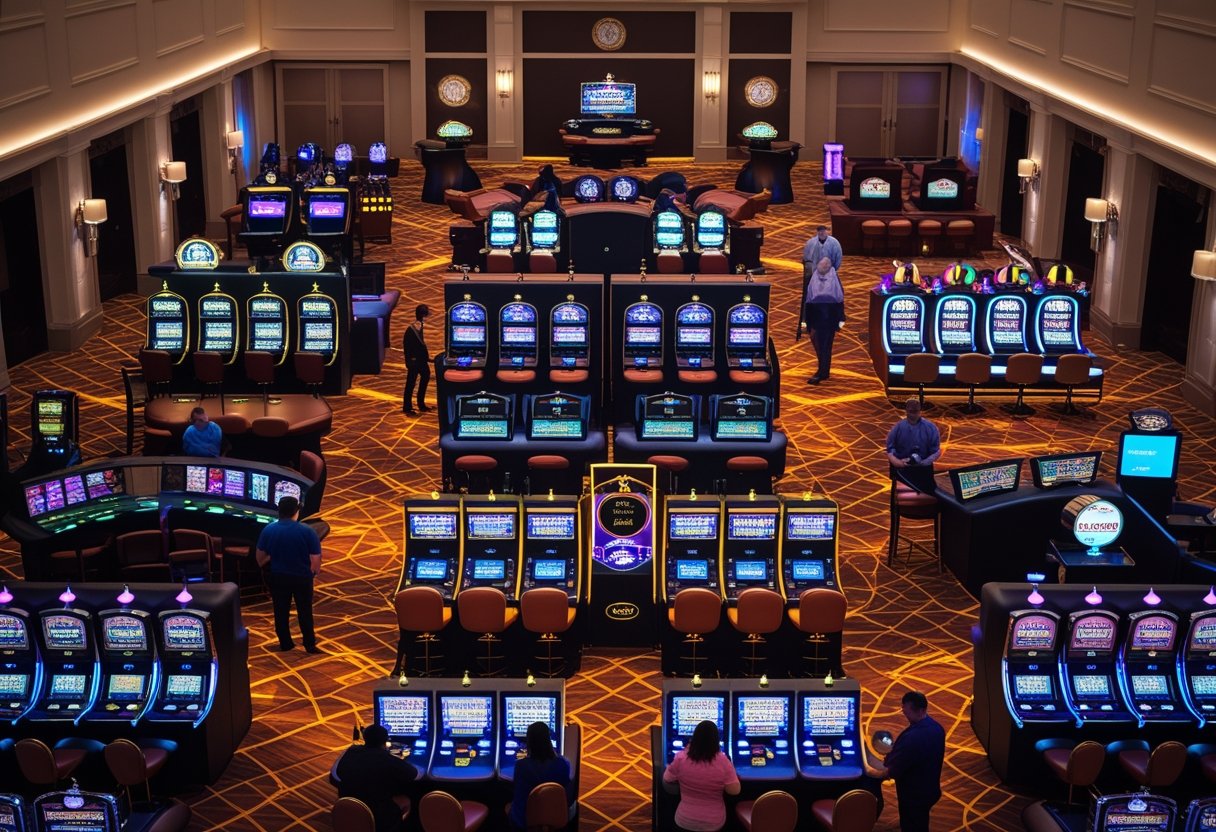
The maze-like design became popular in the 1980s. Casino architects created winding pathways with no clear sight lines to exits. This design forces players to walk past more gaming options when trying to leave.
Modern casinos now blend both approaches. They use playground layouts with distinct gaming zones connected by curved pathways. Each zone focuses on specific games like slots, table games, or poker rooms.
Technology has changed casino layouts significantly. Digital displays and electronic games require different spacing than traditional mechanical slot machines. Casinos now need wider aisles to accommodate mobility devices and comply with accessibility laws.
Core Principles in Spatial Arrangement
Casino designers follow specific rules when arranging gaming floors. High-traffic areas near entrances feature the most profitable games like penny slots and electronic table games.
The focal point principle places eye-catching elements at key locations. Large jackpot displays and winner celebrations happen in central areas where all players can see them.
Zoning strategies separate different types of gambling activities:
- Slots zones use tight spacing to create intimacy
- Table game areas need wider spaces for dealers and multiple players
- High-limit rooms offer privacy with separate entrances
Pathways curve gently rather than turning at sharp angles. This design encourages natural walking patterns and reduces the feeling of being trapped or lost.
Role of Environmental Psychology
Environmental psychology studies how physical spaces affect human behavior and emotions. Casinos use these principles to create specific psychological responses in players.
Sensory manipulation plays a major role in casino design. Controlled lighting removes time cues by avoiding windows and clocks. Specific color schemes use warm reds and golds to create excitement.
Territorial behavior influences how designers space gaming machines. Players need enough personal space to feel comfortable but not so much that they feel isolated from the action.
Wayfinding psychology affects how people navigate casino floors. Designers intentionally create mild confusion to keep players exploring. However, they must balance this with legal requirements for clear emergency exits.
The absence of natural elements like daylight and fresh air creates an artificial environment where normal time perception disappears.
Behavioral Psychology in Casino Environments
Casinos use specific design elements to shape how people act and think while gambling. These methods work through careful placement of games, strategic use of lights and sounds, and maze-like floor plans that guide player movement.
Impact of Design on Player Decision-Making
Casino layouts directly affect how players choose games and make betting decisions. Games with higher profit margins are placed in prime locations near entrances and main walkways.
Slot machines are positioned to create visual excitement through flashing lights and sound effects. This draws players toward these high-revenue games first.
Strategic game placement includes:
- Popular games near entrances to attract immediate attention
- High-limit areas in quieter zones for serious gamblers
- Table games clustered together to create social energy
- ATMs placed conveniently near gaming areas
The physical environment removes normal decision-making cues. Casinos have no clocks or windows, making it hard for players to track time or outside conditions.
Comfortable seating and easy access to drinks encourage longer gaming sessions. This extended play time increases the likelihood of larger losses due to the house edge.
Use of Sensory Stimuli to Influence Behavior
Casinos carefully control what players see, hear, and smell to create specific emotional responses. Bright colors and flashing lights create excitement and energy.
Sound plays a major role in player behavior. The constant noise of coins dropping and machines chiming creates a sense of winning activity. Even losing spins produce celebratory sounds.
Key sensory elements include:
- Lighting: Bright, warm colors to maintain alertness
- Sound: Upbeat music and winning sound effects
- Scent: Pleasant artificial fragrances pumped through air systems
- Temperature: Cool, comfortable climate for extended stays
Color psychology influences mood and spending. Red creates urgency and excitement, while gold suggests wealth and success.
Carpeting with busy patterns helps hide stains while reducing noise. This creates a more pleasant environment that encourages longer visits.
Pathways and Navigation Patterns
Casino floors use maze-like layouts to maximize exposure to games. Players must walk past multiple gaming options to reach exits, restaurants, or bathrooms.
Main pathways curve and branch to prevent straight-line movement. This forces players to encounter more games and increases the chance they will stop to play.
Navigation design features:
- Curved walkways that obscure exit locations
- Multiple levels requiring escalators or elevators
- Gaming areas placed between essential services
- Confusing floor plans that discourage leaving
The layout creates a feeling of being lost in an exciting playground. Players often discover new games while trying to navigate the space.
Exit doors are deliberately hidden or unmarked. This makes leaving more difficult and encourages continued play even when players want to quit.
Strategic Placement of Gaming Elements
Casinos position games based on traffic patterns, profit margins, and player psychology. Slot machines occupy prime real estate near entrances, while table games create social hubs in central areas.
Slot Machine Positioning Techniques
Casinos place their highest-performing slot machines in high-traffic zones near entrances and walkways. This strategy ensures maximum visibility for new arrivals.
Prime locations include:
- Main entrance areas
- Pathways to restaurants and restrooms
- Elevator banks and escalator landings
- Casino floor intersections
Loose slots with better payout rates sit in areas where wins create buzz. Players hear coins dropping and see flashing lights, which draws others to nearby machines.
Casinos group similar denomination machines together. This creates comfort zones where players feel they belong based on their betting level.
Tight slots with lower payouts occupy less desirable spots. These machines generate higher profits per square foot despite lower foot traffic.
Table Game Arrangement Strategies
Table games occupy the casino’s central areas to create energy and excitement. The sound of chips clacking and cheers from winners attracts slot players to try table games.
Casinos position high-limit tables in separate areas with better service and fewer distractions. These VIP sections offer privacy while maintaining visibility to encourage aspirational play.
Blackjack tables typically sit closest to slot machine areas. The game’s lower intimidation factor helps transition slot players to table games.
Poker rooms stay separate from the main floor. This isolation reduces distractions and creates a dedicated space for serious players who spend long hours at tables.
Zoning and Theming Concepts
Casinos divide their floors into distinct zones based on player demographics and game types. Each zone targets specific customer segments through design and game selection.
High-roller areas feature:
- Elevated platforms or separate rooms
- Premium furnishings and décor
- Personal service stations
- Exclusive game variants
Penny slot zones use bright colors and familiar themes. These areas target casual players with comfortable seating and lower betting minimums.
Theme integration helps create immersive experiences. Ancient Egypt slots cluster together, while sports-themed games occupy areas near sports bars and viewing screens.
Casinos place newer games in premium locations first, then move them to secondary spots as popularity decreases.
Atmospheric and Emotional Triggers
Casinos use carefully crafted sensory elements to influence player emotions and behavior. These environmental factors work together to create specific psychological responses that keep players engaged and comfortable.
Lighting and Color Psychology
Casino lighting systems are designed to eliminate natural time cues and create a timeless environment. Most gaming floors use warm, amber lighting that reduces fatigue and keeps players alert for longer periods.
Red and gold colors dominate casino interiors because they trigger feelings of excitement and luxury. Red increases heart rate and creates urgency, while gold suggests wealth and success.
Blue lighting appears in high-limit areas to promote calm decision-making among big spenders. Green felt on gaming tables reduces eye strain and creates a soothing backdrop for extended play.
Casinos avoid harsh fluorescent lights that remind people of workplaces or hospitals. Instead, they use soft, indirect lighting that flatters faces and creates a comfortable atmosphere.
Lighting intensity varies by area:
- Gaming floors: Moderate brightness to maintain focus
- Slot machine areas: Brighter lights to highlight jackpot displays
- VIP rooms: Dimmer, warmer lighting for intimacy
Soundscape Engineering
Sound design in casinos creates layers of audio that mask outside noise and maintain energy levels. The constant hum of slot machines, chip clinking, and card shuffling forms a baseline soundscape.
Winning sounds are amplified and designed to trigger dopamine responses in nearby players. These audio cues make small wins sound more significant than they actually are.
Background music plays at specific tempos to influence gambling pace. Faster beats encourage quick decisions at slot machines, while slower music appears in poker rooms where deliberate thinking is preferred.
Volume levels stay consistent throughout gaming areas to prevent jarring transitions. Air conditioning systems run quietly to avoid disrupting the carefully crafted audio environment.
Casinos eliminate clocks and natural sound cues like birds or traffic that might remind players of the outside world and passing time.
Scent and Air Quality Effects
Casinos pump customized scents through ventilation systems to create pleasant associations with gambling. These artificial fragrances mask cigarette smoke and body odors while promoting comfort.
Popular casino scents include:
- Vanilla and citrus for relaxation
- Floral notes for luxury appeal
- Clean, fresh scents for energy
Research shows that pleasant scents increase time spent gambling and money wagered. Players stay longer in areas with subtle, appealing fragrances compared to unscented spaces.
Air quality systems maintain optimal temperature and humidity levels. Cool, dry air keeps players alert and prevents the stuffiness that might drive them away.
Oxygen levels receive careful monitoring, though casinos do not pump pure oxygen as commonly believed. They simply maintain excellent ventilation to prevent drowsiness from poor air circulation.
Modern Trends and Ethical Considerations
Casino design continues to evolve with new technology and growing awareness of gambling’s social impact. Modern casinos now balance profit goals with responsible gaming practices while facing increased regulatory oversight.
Technology Integration in Casino Design
Digital signage and interactive screens now replace traditional static displays throughout casino floors. These systems adjust content based on time of day and player demographics.
Mobile apps connect directly to casino layouts. Players receive real-time notifications about nearby machines and personalized offers based on their location within the building.
AI-informed layouts track human movement patterns to optimize floor plans. Casinos use this data to place high-profit games in areas with the most foot traffic.
Touchless interfaces have become standard since 2020. Players can now interact with slot machines and table games without physical contact through gesture controls and smartphone integration.
Biophilic design incorporates natural materials and living plants into casino spaces. This trend aims to reduce stress and create more comfortable environments for extended play sessions.
Modular environments allow casinos to rearrange gaming areas quickly. Operators can adapt layouts for special events or seasonal changes without major construction.
Responsible Gaming Measures in Layouts
Time awareness features now appear in modern casino designs. Digital clocks and natural lighting systems help players track how long they have been gambling.
Cooling-off zones provide spaces away from gaming areas where players can take breaks. These areas often include comfortable seating and access to food and beverages.
Clear exit pathways have become mandatory in many jurisdictions. Casinos must now provide obvious routes to exits that don’t require walking through gaming areas.
Self-exclusion kiosks allow players to set limits or ban themselves from gambling. These stations are placed in easily accessible but private locations.
Responsible gaming messaging appears on digital displays throughout casino floors. Messages about gambling limits and help resources rotate regularly with promotional content.
Staff training areas are now built into casino layouts. These spaces allow employees to learn how to identify problem gambling behaviors and provide appropriate assistance.
Regulatory and Social Implications
Government oversight has increased significantly for casino design approval processes. Regulators now review psychological elements of layouts before granting operating permits.
Fairness requirements mandate that casinos cannot deliberately confuse players about odds or game rules through design choices. Clear signage about house edges is now required in many areas.
Addiction prevention standards require casinos to include specific design elements that promote responsible gambling. These include mandatory break areas and visible clocks throughout gaming floors.
Social impact assessments must be completed before new casino construction. These studies examine how casino design might affect vulnerable populations in surrounding communities.
Transparency obligations force casinos to disclose their psychological design strategies to regulators. This information helps authorities determine if layouts cross ethical boundaries.
Community benefit requirements now influence casino design in many regions. Operators must include public spaces or community services within their facilities to maintain licenses.