Modern slot games have moved far beyond simple fruit symbols and basic spinning reels. Today’s digital slots use complex visual themes and storytelling techniques to create immersive experiences that capture player attention within seconds. The art of theming and visual storytelling transforms basic gambling mechanics into engaging entertainment experiences by combining carefully chosen symbols, colors, characters, and narratives that work together to tell compelling stories.
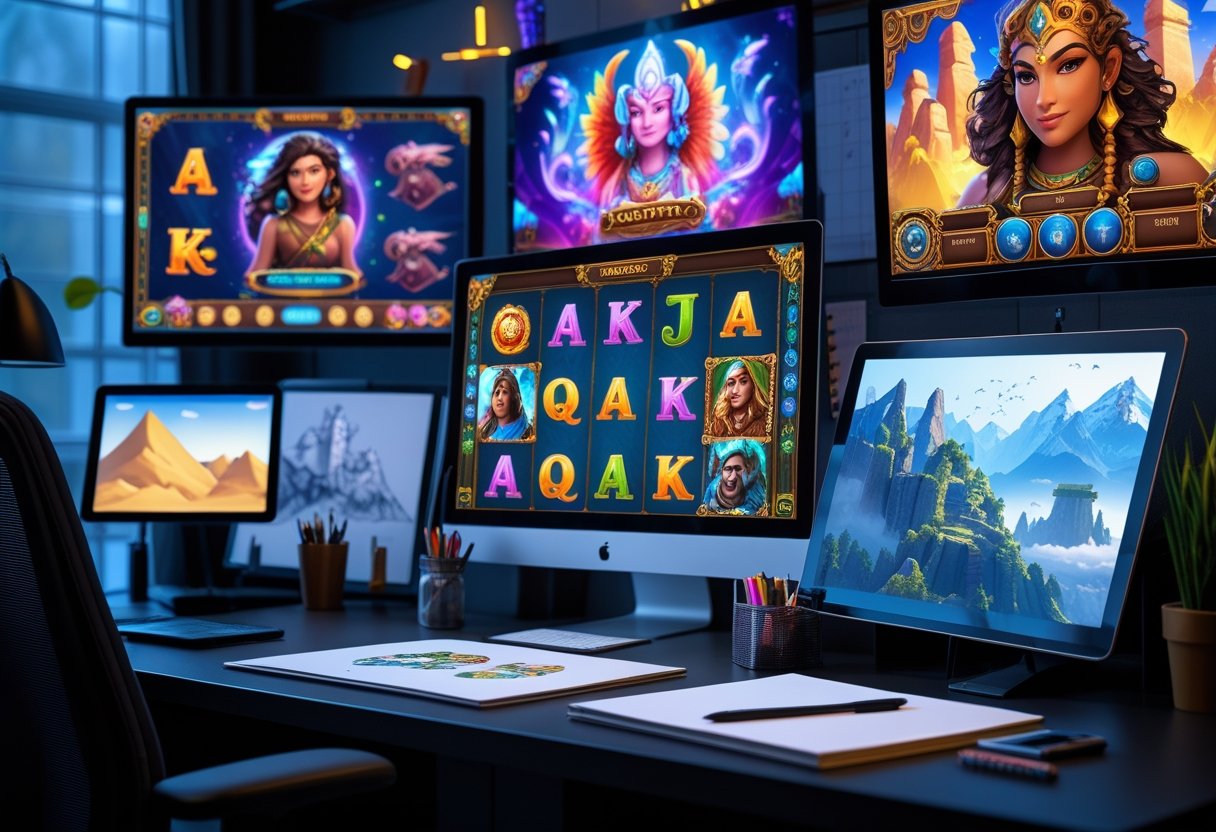
Game developers now rely on mood boards, detailed character designs, and environmental art to build worlds that players want to explore. Adventure-themed slots might feature treasure maps and explorers, while fantasy games transport players to magical realms with mythical creatures and enchanted landscapes. These visual elements do more than just look appealing – they create emotional connections that keep players engaged.
The success of themed slot games depends on how well artists balance storytelling elements with functional game design. From character development and environment creation to user experience considerations and emerging industry trends, the process involves multiple layers of artistic and technical decisions that shape the final gaming experience.
Fundamentals of Theming in Slot Game Art
Slot game themes serve as the creative foundation that transforms simple spinning reels into engaging visual experiences. These themes have grown from basic fruit symbols to complex narratives spanning ancient civilizations, popular movies, and fantasy worlds.
Definition and Role of Theming
Theming in slot games refers to the visual and narrative framework that gives meaning to every element on the screen. It connects symbols, backgrounds, animations, and sound effects into one cohesive experience.
A well-designed theme does more than just look pretty. It creates an emotional connection between the player and the game. When players see familiar characters or exciting settings, they feel more engaged.
Themes also help players understand the game quickly. Adventure-themed slots use maps and treasure chests as symbols. Players instantly know what to expect from the gameplay experience.
The theme guides every design choice in the game. Colors, fonts, and animations all match the chosen theme. This creates a unified look that feels professional and polished.
Historical Evolution of Themes
Early slot machines used simple fruit symbols like cherries, lemons, and bars. These basic designs were easy to understand and cheap to produce on mechanical reels.
The 1980s brought video slots and more complex themes. Games started featuring ancient Egypt, mythology, and adventure stories. Players could now see detailed graphics instead of simple painted symbols.
Modern slots embrace licensed content from movies, TV shows, and popular culture. Games like Game of Thrones use detailed graphics and theme music from the original shows. This creates deeper connections with existing fan bases.
Today’s themes span every possible category:
- Historical periods (Ancient Rome, Medieval times)
- Fantasy worlds (Dragons, magic, fairy tales)
- Pop culture (Movies, TV shows, celebrities)
- Adventure settings (Treasure hunting, exploration)
Core Elements of Slot Themes
Symbols form the backbone of any slot theme. Each symbol must fit the story and feel authentic to the setting. Viking-themed games use shields and hammers. Space themes feature rockets and aliens.
Symbol selection directly impacts player engagement. Recognizable icons help players connect with the theme faster. Mystery symbols and special effects add excitement during gameplay.
Visual design includes backgrounds, color schemes, and typography. Dark colors work well for horror themes. Bright golds and blues suit treasure-hunting adventures.
The background sets the scene for the entire game. It might show ancient temples, underwater scenes, or futuristic cities. These backgrounds help players feel immersed in the theme world.
Audio elements complete the thematic experience. Epic music enhances fantasy themes. Jungle sounds support adventure games. Sound effects must match the visual style perfectly.
Animation brings static symbols to life. Winning combinations trigger special effects that match the theme. Fire symbols might burst into flames. Treasure chests open to reveal gold coins.
Principles of Visual Storytelling
Visual storytelling in slot games relies on three core elements: structured narrative design that guides player experience, symbolic imagery that conveys meaning instantly, and strategic color choices that trigger specific emotional responses.
Narrative Structure in Visual Design
Slot games build narrative through layered visual progression. The base game establishes the story world through background art and character positioning. Bonus rounds advance the plot by revealing new scenes or character interactions.
Visual hierarchy directs attention from primary elements to supporting details. Main characters occupy center positions while secondary symbols frame the edges. This creates a clear reading path for players.
Progressive revelation keeps stories engaging across multiple spins. Initial symbols hint at deeper themes that unfold through special features. A pirate-themed slot might start with treasure maps and reveal buried gold during free spins.
Environmental storytelling uses background details to build world context. Ancient ruins suggest archaeological adventures. Neon cityscapes imply futuristic themes. These visual cues establish setting without requiring text explanation.
Using Symbols and Iconography
Effective slot symbols communicate meaning through universal recognition. Hearts represent love and life. Diamonds signal wealth and luxury. These connections happen instantly without conscious thought.
Cultural symbols tap into shared experiences. Egyptian pyramids evoke mystery and ancient power. Four-leaf clovers suggest luck and fortune. Players understand these references immediately.
Symbol hierarchy separates high-value from low-value icons through visual weight. Premium symbols feature detailed artwork and animation. Standard symbols use simpler designs with less visual complexity.
Color coding reinforces symbol value systems. Gold frames typically indicate high-paying symbols. Silver or bronze mark medium values. Plain symbols represent lower payouts. This visual language becomes intuitive with repeated play.
Color Theory and Emotional Impact
Warm colors like red and orange create excitement and energy. These hues appear frequently on high-value symbols and winning animations. They signal reward and positive outcomes to players.
Cool colors such as blue and green suggest calmness and mystery. These work well for underwater themes or magical settings. Purple combines warmth and coolness to convey luxury and mystique.
Color temperature affects perceived game speed. Bright, saturated colors make games feel faster-paced. Muted tones create relaxed, contemplative moods. Developers match color intensity to intended gameplay rhythm.
Contrast ratios ensure readability across all devices. High contrast between text and backgrounds prevents eye strain. Complementary color pairs like blue and orange create visual pop without overwhelming players.
Integrating Themes With Game Mechanics
Modern slot games achieve success by creating seamless connections between visual themes and gameplay elements. This integration transforms basic spinning mechanics into immersive experiences where story elements directly influence how players interact with the game.
Synergy Between Theme and Gameplay
Theme-driven mechanics create natural connections between visual elements and game functions. A pirate-themed slot might use treasure maps as wild symbols that expand across reels. Medieval slots often feature castle sieges where players collect shields to unlock multipliers.
Character-based interactions make gameplay feel more personal. Players might help a detective solve crimes by collecting clues through symbol combinations. Each clue advances both the story and increases potential rewards.
Theme consistency extends to symbol behaviors and reel mechanics. Ocean-themed games use wave animations for cascading wins. Space slots feature meteor showers that trigger random wilds. These connections make every spin feel connected to the game’s world.
Audio cues reinforce thematic gameplay. Fantasy slots play magical sounds when enchanted symbols appear. Racing games use engine revs during bonus activations. Sound design helps players understand which actions matter most.
Interactive Storytelling Techniques
Progressive narratives unfold through gameplay milestones. Players unlock new story chapters by reaching specific win combinations or bonus rounds. Each chapter reveals new characters, locations, or plot developments that affect future spins.
Mission-based structures give players clear goals beyond winning coins. Adventure themes might require collecting ancient artifacts across multiple sessions. Detective stories challenge players to gather evidence through specific symbol patterns.
Character development systems create long-term engagement. Players level up heroes, unlock new abilities, or customize avatars based on their gameplay choices. These features transform individual spins into meaningful progression steps.
Branching storylines respond to player decisions during bonus rounds. Choose-your-path features let players select different routes through treasure hunts or battle sequences. Each choice leads to unique rewards and story outcomes.
Theming for Bonus Features
Themed bonus rounds replace generic free spins with story-driven experiences. Horror slots might trap players in haunted mansions where each room reveals different multipliers. Sports themes create penalty shootouts where successful goals award extra spins.
Environmental bonuses use theme elements as functional gameplay tools. Jungle slots feature vine swings that connect winning symbols. Arctic themes use ice blocks that shatter to reveal hidden prizes beneath.
Thematic mini-games break traditional slot patterns entirely. Cooking themes challenge players to complete recipes by selecting ingredients. Music slots let players compose songs by hitting rhythm-based targets for bonus multipliers.
Visual transformation sequences show direct results of player actions. Castle-building themes display construction progress as bonuses accumulate. Garden themes show flowers blooming when players achieve winning combinations.
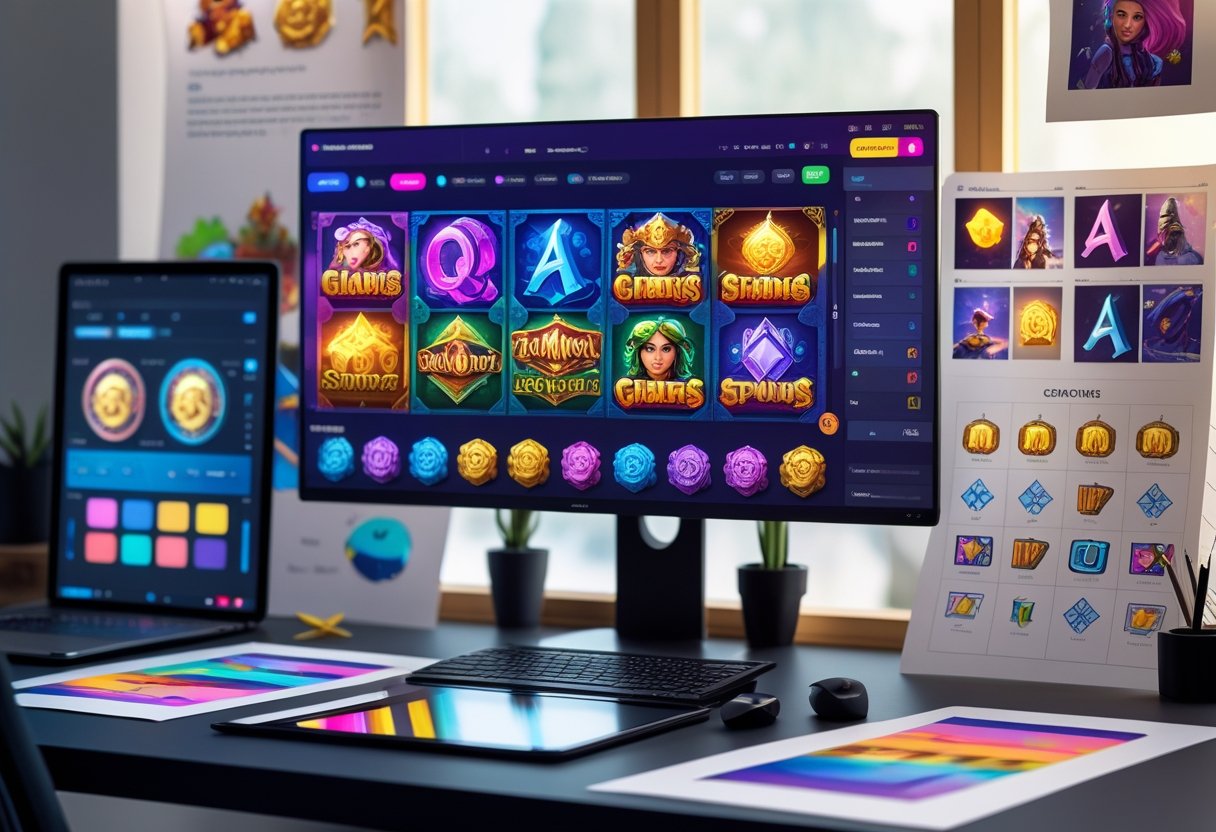
Character and Environment Design
Strong characters and detailed environments work together to create slot games that players remember. These visual elements build the game world and help tell the story through art and design.
Developing Memorable Characters
Character designers create unique personalities that fit the game’s theme. A pirate slot might feature a brave captain with detailed clothing and weathered features. Fantasy games often include wizards, warriors, or mythical creatures with distinct looks.
Key Character Elements:
- Visual identity – Unique costumes, colors, and physical traits
- Personality traits – Facial expressions and body language
- Theme alignment – Characters must match the game’s setting
Developers focus on making characters easy to recognize at small sizes. Slot symbols appear in tiny spaces on mobile screens. Bold colors and simple shapes help players identify characters quickly.
Character backstories add depth even when not directly shown. A detective character might carry specific tools or wear period-appropriate clothing. These details make the game world feel real and complete.
Environmental Art and Scene Setting
Background environments set the mood and location for slot games. Adventure themes use jungle scenes with ancient temples. Ocean-themed games show underwater worlds with coral reefs and sea creatures.
Artists create multiple background layers to add depth. The main scene sits behind the reels while atmospheric effects like fog or particles move in front. This layering makes flat screens feel three-dimensional.
Common Environment Types:
- Historical settings (ancient Egypt, medieval castles)
- Natural locations (forests, deserts, mountains)
- Fantasy realms (magical kingdoms, space stations)
- Urban scenes (city streets, buildings)
Lighting plays a major role in environment design. Warm sunset colors create relaxing moods. Cool blue tones suggest mystery or danger. Dynamic lighting can change during bonus rounds to build excitement.
Art Styles and Consistency
Game artists choose art styles that match their target audience and theme. Cartoon styles appeal to casual players while realistic art attracts serious gamers. Comic book styles work well for superhero themes.
Popular Art Approaches:
- Photorealistic – Detailed textures and lighting
- Stylized cartoon – Simplified shapes and bright colors
- Hand-painted – Artistic brush strokes and organic feel
- Pixel art – Retro gaming aesthetic
Consistency across all visual elements keeps the game looking professional. Characters, symbols, and backgrounds must share the same color palette and artistic approach. Mixed styles confuse players and break immersion.
Art teams create style guides that define color schemes, texture types, and design rules. These guides help multiple artists work together while maintaining visual unity throughout the entire game.
User Experience and Immersion
Effective slot game art creates seamless player experiences through strategic visual design, synchronized audio elements, and inclusive accessibility features. These components work together to build engaging environments that keep players connected to the game world.
Visual Cues and Player Engagement
Visual cues guide players through slot games without overwhelming them. Clear symbols, consistent color schemes, and logical layouts help players understand game mechanics quickly.
Bright colors and flashing animations signal winning combinations. These visual rewards trigger positive emotions and encourage continued play.
Interface elements must remain visible but not distracting. Important buttons like spin, bet, and balance displays need consistent placement across different games.
Game developers use environmental storytelling through background graphics. Ancient temples, space stations, or underwater scenes transport players to different worlds without complex explanations.
Animation timing affects engagement levels. Quick, snappy animations maintain game pace, while slower effects build anticipation during bonus rounds.
Progress indicators show players their advancement through bonus features. Visual bars, meters, and counters create clear goals and achievements.
Audio-Visual Synchronization
Sound effects must match visual elements perfectly. When reels spin, players expect corresponding audio feedback that reinforces the mechanical action.
Winning sounds coordinate with visual celebrations. Coins dropping, bells ringing, and triumphant music play exactly when symbols align and prizes appear.
Background music sets the game’s mood and theme. Egyptian-themed slots use mysterious melodies, while fruit machines employ classic arcade sounds.
Volume mixing ensures important sounds stand out. Bonus triggers and big wins need distinct audio signatures that cut through background music.
Silence works as effectively as sound. Strategic quiet moments before big reveals build tension and make subsequent audio-visual explosions more impactful.
Voice acting adds personality to character-based games. Clear dialogue and professional delivery enhance storytelling without disrupting gameplay flow.
Designing for Accessibility
Color-blind friendly palettes ensure all players can distinguish between different symbols and game states. Developers avoid red-green combinations that cause confusion.
Text size and contrast ratios follow accessibility standards. Important information like bet amounts and winnings appear in readable fonts against contrasting backgrounds.
Symbol clarity helps players with visual impairments. Simple, distinct shapes work better than complex, detailed graphics that blend together.
Audio descriptions and sound-based feedback provide alternatives to visual information. Different tones indicate various game events and outcomes.
Interface scaling accommodates different screen sizes and viewing distances. Buttons and text remain functional across mobile devices and desktop computers.
Motion sensitivity options reduce or eliminate rapid flashing and spinning effects. These settings prevent discomfort for players with epilepsy or motion sickness.
Trends and Innovations in Slot Game Art
Modern slot game art has transformed dramatically through advanced 3D graphics, pop culture integration, and personalized gaming experiences. These innovations create more engaging visual stories that connect with players on deeper levels.
Emergence of 3D and Animation
Three-dimensional graphics have revolutionized slot game visuals by adding depth and realism to traditional flat designs. Modern slot games now feature detailed 3D environments that transport players into complete visual worlds.
Animation plays a crucial role in bringing these environments to life. Characters move naturally across the screen. Symbols rotate and transform during winning combinations. Background elements respond to player actions.
Game developers use advanced rendering techniques to create immersive themed environments. Ancient Egyptian tombs feature realistic stone textures and flickering torchlight. Futuristic space stations showcase glowing control panels and moving machinery.
The technical capabilities allow for more complex visual storytelling. Animated sequences can show character backstories between spins. Environmental changes reflect the game’s narrative progression. Dynamic visual elements respond to different game states and bonus features.
The Influence of Pop Culture
Pop culture themes dominate modern slot game art design. Movie franchises provide rich visual content for game developers. Television shows offer familiar characters and storylines that players recognize immediately.
Licensed content allows artists to recreate authentic visual experiences. Games based on popular films use official artwork and character designs. Music-themed slots feature real band imagery and concert footage.
Social media trends influence visual design choices. Internet memes appear as bonus symbols. Viral video aesthetics shape animation styles. Gaming culture references connect with younger audiences.
Celebrity partnerships create unique visual opportunities. Famous personalities appear as animated characters. Their signature styles influence the overall art direction. Brand collaborations bring recognizable visual elements into slot game environments.
Personalization and Adaptive Themes
Adaptive visual systems change game artwork based on player preferences and behavior. Machine learning algorithms track which themes engage individual players most effectively.
Customizable visual elements let players modify their gaming experience. Color schemes adjust to personal preferences. Symbol designs offer multiple visual options. Background themes rotate based on player selection.
Dynamic theming responds to external factors like time of day or season. Halloween-themed visuals appear automatically in October. Winter backgrounds activate during cold months. Holiday symbols replace standard imagery during celebrations.
Player data drives visual content creation. Popular theme combinations influence new game development. Behavioral analytics help designers understand which visual elements create the strongest player engagement and retention rates.
Challenges and Best Practices
Slot game developers face complex challenges when creating themed visual experiences that must satisfy regulatory requirements while delivering engaging gameplay across multiple platforms. Success requires careful balance between creative vision and technical constraints while maintaining consistent performance standards.
Balancing Creativity and Regulations
Gaming regulations create strict boundaries for visual design elements in slot games. Different jurisdictions require specific transparency levels for game mechanics and payout information. Designers must ensure symbols and animations clearly communicate game functions without misleading players.
Key regulatory considerations include:
- Symbol visibility and clarity requirements
- Color contrast standards for accessibility
- Mandatory information display areas
- Responsible gaming message placement
Creative teams work within these frameworks by developing visual hierarchies that highlight required information without compromising artistic vision. They use strategic color placement and typography to make regulatory text blend naturally with theme elements.
Many successful games achieve compliance by incorporating required elements into the storytelling itself. Adventure-themed slots might display payout tables as treasure maps, while fantasy games present rules as magical scrolls.
Maintaining Cross-Platform Consistency
Modern slot games appear on desktop computers, mobile devices, and physical casino machines simultaneously. Each platform presents unique display limitations and user interaction methods. Designers must adapt visual elements while preserving theme integrity across all formats.
Platform-specific challenges include:
- Mobile devices: Smaller screens require larger symbols and simplified interfaces
- Desktop displays: Higher resolutions allow detailed animations and complex layouts
- Casino machines: Physical buttons and lighting systems affect visual design choices
Art teams create scalable asset libraries with multiple resolution versions of each element. They establish core visual guidelines that define color palettes, typography choices, and animation styles across platforms.
Testing occurs continuously across device types to ensure symbols remain recognizable and text stays readable. Successful games maintain their visual identity whether players use smartphones or casino floor machines.
Optimizing for Performance
Visual storytelling elements must load quickly and run smoothly to maintain player engagement. Complex animations and high-resolution graphics can cause performance issues that interrupt gameplay flow. Developers balance visual quality with technical efficiency through careful asset management.
Performance optimization strategies include:
- Compressed image formats that reduce file sizes
- Efficient animation techniques using sprite sheets
- Strategic use of particle effects and lighting
- Memory management for extended play sessions
Teams prioritize which visual elements require highest quality rendering. Character animations and winning celebrations receive more resources than background elements. This approach ensures critical storytelling moments display perfectly while maintaining smooth overall performance.
Regular performance testing identifies bottlenecks before games reach players. Developers monitor frame rates, loading times, and memory usage across different devices to guarantee consistent experiences regardless of platform capabilities.