Art fundamentally transforms how people experience gambling by creating environments that engage the senses and influence emotions. From the moment someone walks into a casino or opens an online gambling platform, carefully designed visual elements work to capture attention and shape behavior. Colors, lighting, symbols, and graphics all combine to create specific moods that can make games feel more exciting or comfortable.
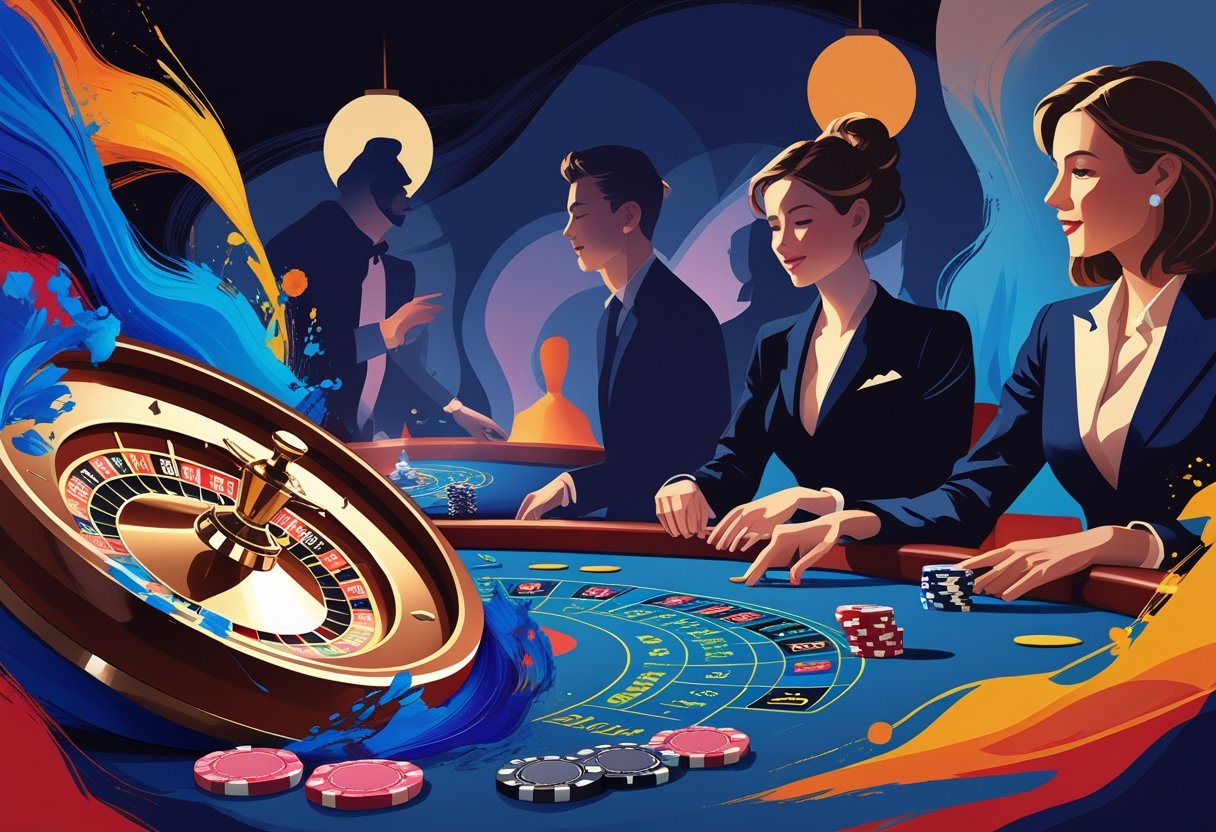
Casino operators use artistic elements strategically to enhance player engagement and create memorable experiences that keep people coming back. The visual design of slot machines influences which games players choose. The layout and decoration of casino floors guide how people move through spaces. Online platforms rely on digital art to create immersive experiences that compete with physical locations.
The relationship between art and gambling extends beyond simple decoration into complex psychological territory. Cultural symbols appear in game themes to appeal to different audiences. Interactive displays and immersive technologies blur the lines between entertainment and gambling. As artificial intelligence becomes more common, the artistic possibilities for personalized gambling experiences continue to expand.
The Role of Visual Art in Casino DesigN
Casino designers use visual art as a powerful tool to shape player behavior and create specific moods. Color choices trigger emotional responses, lighting systems guide player movement, and symbolic decorations reinforce themes that keep visitors engaged longer.
Color Psychology in Gambling Environments
Red dominates casino color schemes because it increases heart rate and creates excitement. This warm color makes players feel energetic and encourages faster decision-making at gaming tables.
Blue appears less frequently in main gaming areas. It promotes calm feelings and slower thinking, which casinos avoid near slot machines and card tables.
Warm colors like orange and yellow create welcoming spaces near entrances. These colors make new visitors feel comfortable and more likely to stay longer.
Green shows up on gaming tables because it represents money and luck. The color also reduces eye strain during long gaming sessions.
Purple suggests luxury and high-end experiences. Casinos use this color in VIP areas to make wealthy players feel special and exclusive.
Lighting Effects on Player Mood
Bright lighting keeps players alert and focused on games. Casinos avoid dim lighting in gaming areas because it makes people sleepy and less likely to gamble.
LED systems change colors throughout the day. Morning lights use cooler tones to energize visitors, while evening lights shift to warmer colors that feel cozy.
Flashing lights on slot machines grab attention and create excitement. The rapid changes in brightness trigger the brain’s reward system even before players win.
Spotlights highlight jackpot winners and big payouts. This lighting draws other players to those machines and creates social proof that winning is possible.
Hidden lighting sources eliminate harsh shadows. This technique makes the space feel magical and removes visual distractions from the games.
Symbolism and Themes in Casino Decor
Lucky symbols appear throughout casino spaces to reinforce positive feelings. Four-leaf clovers, horseshoes, and dice remind players that fortune could strike at any moment.
Egyptian themes use gold colors and pyramid shapes to suggest ancient treasures waiting to be discovered. These decorations make slot games feel like treasure hunts.
Asian-inspired designs include dragons and cherry blossoms that represent good fortune in many cultures. These symbols appeal to players who believe in luck-based gambling.
Nautical themes with anchors and ships suggest adventure and exploration. Treasure maps and compass designs make gaming feel like a journey toward riches.
Modern casinos mix multiple themes in different areas. Sports-themed sections attract different players than fantasy or movie-themed zones.
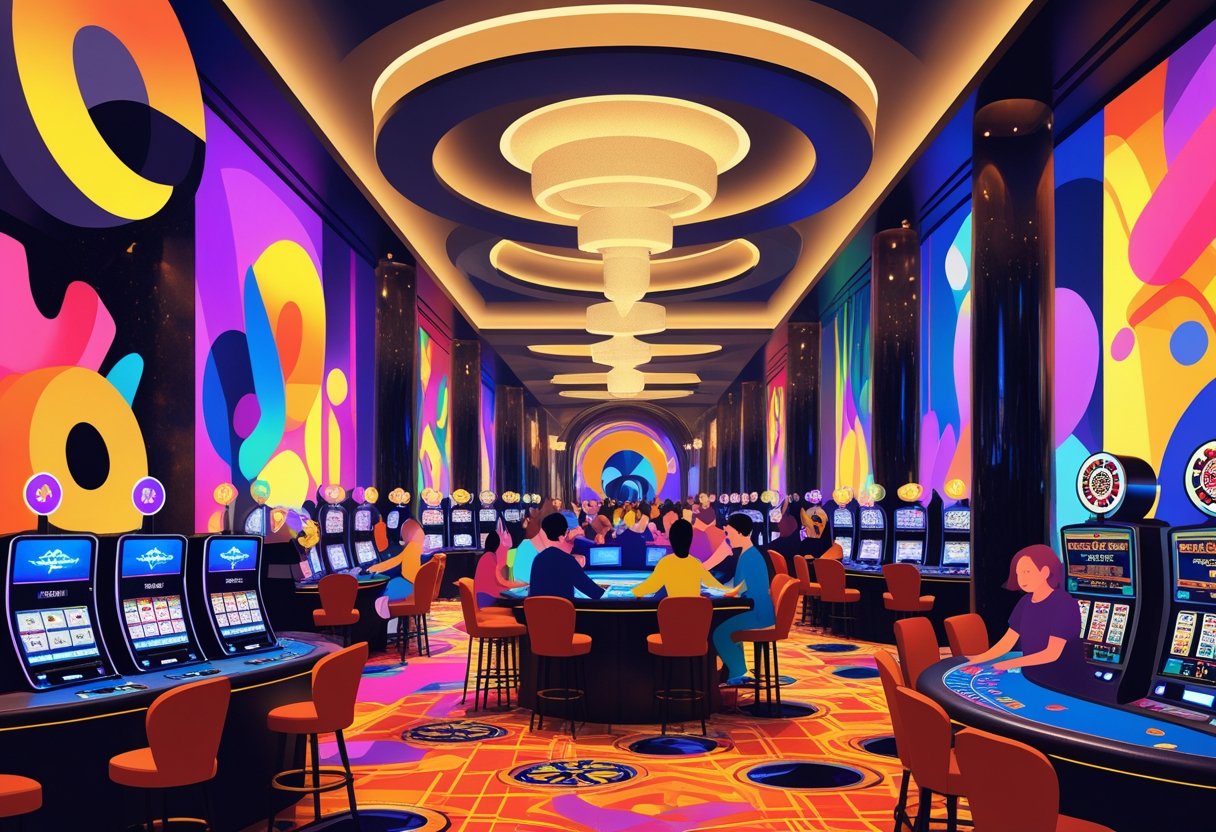
How Slot Machine Art Influences Player Engagement
Visual elements work together with sound design to create powerful psychological effects that keep players engaged. Modern slot machines use specific graphics, symbols, and audio cues to trigger emotional responses that encourage continued play.
Graphics and Animation in Slot Machines
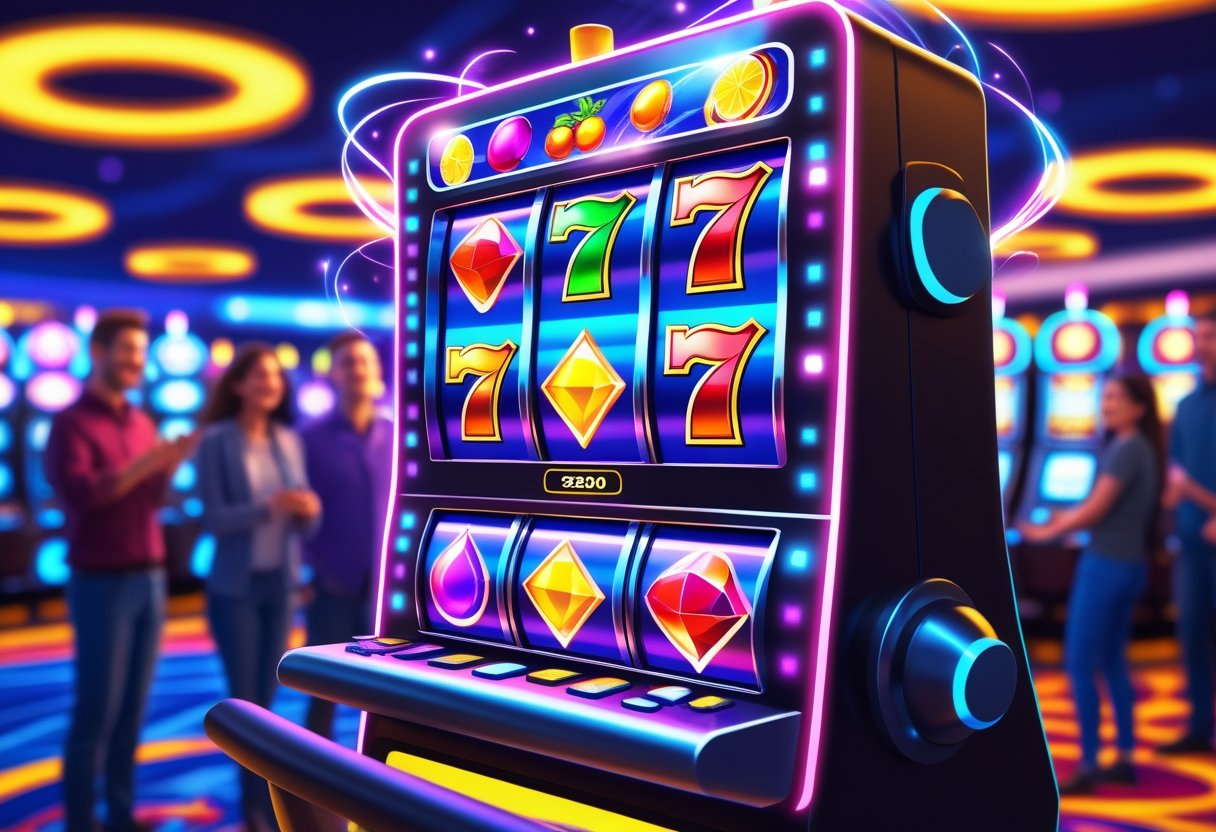
High-quality graphics create immediate visual appeal that draws players to specific machines. Bright colors like red and gold trigger excitement and energy. Blue and purple tones suggest luxury and mystery.
Animation timing plays a crucial role in engagement. Spinning reels create anticipation during the 2-3 second delay before results appear. This brief pause builds tension.
Modern slot machines use 3D graphics and particle effects to enhance winning moments. Coins cascade across screens. Symbols explode with light and movement. These effects make small wins feel more significant.
Character-based animations help players form emotional connections. Popular slots feature animated heroes, animals, or fantasy creatures. These characters celebrate wins with the player.
Frame rates and smooth transitions prevent visual fatigue. Players stay engaged longer when graphics flow naturally without jarring cuts or choppy movement.
Iconography and Reward Feedback Loops
Symbol design directly impacts how players perceive winning potential. Traditional symbols like cherries and bells create familiarity. Modern themed symbols connect to popular movies or cultures.
Visual hierarchy guides player attention to important information. Jackpot amounts use large, bright text. Payline indicators show clear winning paths. Bonus symbols stand out through size and color contrast.
Machines use progressive visual rewards to maintain engagement. Small wins trigger modest animations. Bigger wins produce more elaborate displays with sound effects.
Near-miss scenarios receive special visual treatment. When two matching symbols appear with a third just above or below the payline, machines highlight this almost-win. This creates false hope that keeps players spinning.
Cultural symbols increase engagement by 40% compared to generic designs. Players connect more strongly with familiar imagery from their background.
Sound Design and Sensory Immersion
Audio cues work with visuals to create complete sensory experiences. Each spin produces unique sound combinations. Winning combinations trigger specific musical phrases or sound effects.
Frequency and pitch affect emotional responses. Higher frequencies suggest excitement and energy. Lower tones create mystery or anticipation. Slot machines carefully balance these elements.
Ambient background sounds maintain engagement during non-winning spins. Gentle music or nature sounds prevent boredom between wins. Volume levels stay consistent to avoid jarring experiences.
Reward sounds use specific patterns that trigger dopamine release. Coins dropping, bells ringing, and fanfare music signal success. These audio rewards make wins feel more valuable than the actual money received.
Sound timing synchronizes with visual elements. Audio peaks match animation highlights. This coordination creates stronger psychological impact than either element alone.
Digital Art in Online Gambling Experiences
Digital artists now create sophisticated visual elements that define how players interact with online gambling platforms. These visual components enhance both the practical usability of casino interfaces and allow players to express their individual preferences through customized features.
User Interface Aesthetics and Usability
Online casinos use digital art to create interfaces that guide players through games smoothly. Color schemes, typography, and layout design work together to make buttons easy to find and game rules clear to understand.
Artists design visual hierarchies that help players focus on important information. Bright colors highlight jackpot amounts and winning combinations. Subtle animations show when buttons are clickable.
The visual design also creates emotional responses. Warm colors like gold and red suggest excitement and luxury. Cool blues and greens provide a calming effect during intense gameplay.
Game symbols and graphics must load quickly while maintaining high quality. Artists balance file sizes with visual appeal to prevent slow loading times that frustrate players.
Modern casino interfaces adapt to different screen sizes. Digital artists create flexible designs that work on phones, tablets, and computers without losing visual impact.
Avatar Customization and Personalization
Many online gambling platforms let players create custom avatars that represent them during live dealer games and multiplayer tournaments. Players choose from various clothing options, facial features, and accessories.
Avatar systems use digital art assets that players can mix and match. These include hairstyles, outfits, and background themes that reflect personal taste or cultural preferences.
Some platforms offer seasonal avatar updates with holiday themes or special event costumes. Players earn new customization options through gameplay achievements or purchases.
The personalization extends to game environments. Players select table themes, card designs, and background music that create their preferred gambling atmosphere.
These custom elements help build player loyalty by making the gambling experience feel unique and personal to each individual user.
Fine Art and Brand Identity in Casinos
Casinos use fine art as a powerful tool to shape their brand identity and communicate specific messages to guests. From custom commissioned pieces to prestigious art collections, these visual elements help establishments differentiate themselves in a competitive market.
Commissioned Artwork and Installations
Casinos frequently commission artists to create unique pieces that reflect their brand values and target audience. These custom artworks serve as distinctive visual markers that guests associate with specific properties.
Modern casinos often choose art styles based on their desired image:
- Classic paintings and sculptures for elegance and sophistication
- Contemporary or street art for younger, hip demographics
- Cultural artwork for themed properties
Large-scale installations create memorable experiences for visitors. These pieces often become signature features that guests photograph and share on social media.
The Bellagio’s glass ceiling installation by Dale Chihuly exemplifies how commissioned art can become a defining feature. This colorful glass sculpture immediately communicates luxury and artistic sophistication to entering guests.
Casino operators work closely with artists to ensure commissioned pieces align with their marketing goals. The artwork must complement the overall design while reinforcing the casino’s unique brand message.
Art Collections and Prestige Marketing
Established casinos often build impressive art collections to enhance their reputation and attract affluent customers. These collections position the venue as more than just a gambling destination.
High-end art collections serve multiple marketing purposes:
- Attract art enthusiasts who might not otherwise visit
- Create talking points for media coverage
- Justify premium pricing for experiences
- Build cultural credibility in local communities
The Wynn Las Vegas houses works by Picasso, Matisse, and other masters throughout its property. This collection reinforces the casino’s positioning as a luxury destination for discerning guests.
Art collections help casinos overcome negative stereotypes about gambling establishments. By showcasing cultural artifacts, they present themselves as sophisticated entertainment venues rather than simple gaming halls.
Some casinos rotate exhibitions or loan pieces to museums. This strategy generates positive publicity and strengthens relationships with cultural institutions.
Cultural Influences on Gambling Art
Different cultures use unique symbols and artistic styles in their gambling spaces and games. Local traditions and heritage play a major role in how casinos and gaming venues design their visual elements.
Traditional Motifs in Different Regions
Asian casinos feature dragons, phoenixes, and gold colors because these symbols represent luck and wealth in Chinese culture. Red dominates the color schemes since it means good fortune.
Many venues display jade green accents and use the number eight prominently. The number four gets avoided because it sounds like the word for death in Chinese.
European gambling halls often use classical Greek and Roman themes. Columns, marble textures, and Renaissance-style paintings create an atmosphere of luxury and tradition.
Playing card symbols from French designs appear throughout European casino art. Hearts, diamonds, clubs, and spades show up in carpets, wall decorations, and lighting fixtures.
Native American casinos incorporate tribal patterns, eagle feathers, and natural earth tones. These designs honor ancestral traditions while creating unique gaming environments.
Southwestern venues feature turquoise, sand colors, and geometric patterns. These elements connect the gambling space to local landscape and cultural history.
Art as a Reflection of Local Heritage
Casino operators choose artwork that matches their location’s cultural background. This creates familiar surroundings for local players while attracting tourists interested in regional culture.
Las Vegas Strip casinos copy famous landmarks and artistic styles from around the world. The Bellagio displays Italian fountain art while Paris Las Vegas features French architectural elements.
Atlantic City venues use coastal themes with nautical colors and ocean-inspired designs. Seashell patterns and lighthouse imagery connect to the area’s maritime history.
Regional gambling art often tells stories about local history through murals and sculptures. These pieces educate visitors while enhancing the gaming atmosphere with cultural meaning.
The Psychology of Artistic Choices in Game Design
Game designers use specific colors, shapes, and visual elements to create emotional responses in players. These artistic decisions directly influence how people feel about taking risks and making bets.
Emotional Triggers Through Visual Elements
Color choices play a major role in how players feel while gambling. Red colors increase excitement and urgency, making players more likely to place bigger bets quickly. Blue tones create feelings of trust and calm, which helps players feel secure on gambling platforms.
Warm colors like orange and yellow boost energy levels. Casino designers use these colors around slot machines and card tables to keep players engaged longer. Cool colors like green remind players of money and success.
Visual patterns also affect emotions. Flashing lights and moving graphics create anticipation and keep attention focused on games. Smooth, curved designs make players feel relaxed and comfortable.
Font choices impact trust levels. Bold, clean fonts suggest reliability and fairness. Decorative fonts can make games feel more exciting but may reduce trust in serious gambling situations.
Sound design works with visual elements to strengthen emotional responses. Bright visuals paired with upbeat sounds make winning feel more rewarding. This combination encourages continued play.
Art-Driven Perceptions of Luck and Risk
Golden colors and shiny textures make players believe they have better chances of winning. These visual cues create false confidence about luck and probability. Designers often use gold accents on high-stakes games.
Symbolic imagery shapes risk perception. Lucky symbols like horseshoes, four-leaf clovers, and dice make games feel less dangerous. These images reduce anxiety about losing money.
Visual complexity affects how players judge risk levels. Simple, clean designs suggest safer bets. Busy, detailed graphics make games feel more unpredictable and risky.
Size and scale influence betting behavior. Larger visual elements make rewards seem bigger and more achievable. Small text for terms and conditions makes risks seem less important.
Lighting effects create illusions about winning chances. Bright, focused lighting on game areas makes success appear more likely. Dim backgrounds hide losing outcomes from view.
Interactive Art and Immersive Gambling Spaces
Modern casinos use advanced technology to create spaces where art responds to players in real time. These interactive environments combine projection mapping with virtual reality to transform traditional gambling floors into dynamic artistic experiences.
Projection Mapping and Dynamic Installations
Projection mapping transforms casino surfaces into living canvases that respond to player activity. Walls, ceilings, and floors become interactive displays that change colors, patterns, and animations based on game outcomes.
Key features of projection mapping in casinos:
- Real-time visual responses to slot machine wins
- Floor projections that follow player movement
- Ceiling displays synchronized with ambient music
- Interactive wall art that reacts to touch
The technology uses motion sensors and game data to trigger visual effects. When a player hits a jackpot, the entire room might burst into golden light patterns. Walking across certain floor areas activates flowing water or fire animations beneath players’ feet.
Some casinos feature projection-mapped art installations that tell stories through gameplay. These installations change throughout the day, creating different moods and atmospheres. Players become part of the artwork as their actions directly influence what appears on surrounding surfaces.
Virtual Reality Art in Modern Casinos
Virtual reality brings digital art galleries directly into casino spaces. Players wear VR headsets to enter artistic worlds while playing traditional casino games within these immersive environments.
VR art applications in gambling spaces:
- Digital art galleries integrated with poker tables
- Slot machines that transport players to artistic landscapes
- Virtual sculptures that players can manipulate during gameplay
- Collaborative art creation between multiple VR users
Artists design these virtual spaces specifically for gambling environments. Players might find themselves playing blackjack on a floating platform surrounded by abstract digital sculptures. The art responds to card draws and betting decisions.
VR technology allows casinos to host virtual art exhibitions that change weekly. Players explore famous museum collections or contemporary digital art while participating in gambling activities. This creates cultural experiences that extend far beyond traditional gaming.
Future Trends: Artificial Intelligence in Gambling Art
AI is changing how gambling art gets made and shown to players. Smart computers now create custom artwork for each person and change game visuals based on what players like.
Generative Art for Personalized Experiences
AI creates unique artwork for each player based on their gaming habits. Machine learning studies how people play games and what colors they prefer. The system then makes custom backgrounds and symbols just for them.
Slot machines now use AI to change their visual themes. A player who likes nature might see forest scenes. Someone who prefers cities gets urban artwork.
The technology works in real-time during gameplay. Colors shift from bright to calm based on how long someone plays. Symbols change size and style to match player preferences.
Benefits for players:
- Custom artwork feels more personal
- Visuals match their mood and style
- Games look fresh each time they play
Online casinos report higher player engagement with AI-generated art. Players spend more time on games that adapt their visuals. The technology helps create emotional connections between players and games.
AI-Driven Game Art Adaptation
AI changes game artwork while people play to keep them interested. The system watches player behavior and adjusts graphics instantly. Games become more exciting when the art responds to wins and losses.
Visual changes include:
- Brighter colors after big wins
- Calmer themes during losing streaks
- Faster animations when players get excited
- Simpler designs when players seem confused
Card games use AI to adjust table designs and card backs. Roulette wheels change their decorative elements based on betting patterns. Even poker rooms shift their background art to match player emotions.
The technology reads facial expressions through cameras. It tracks mouse movements and clicking speed. This data helps AI decide what visual changes to make.
Mobile gambling apps benefit most from this technology. Phone screens are small, so every visual element matters more. AI ensures the most important artwork always shows clearly.
Frequently Asked Questions
Casino designs and artistic elements create powerful psychological effects that directly impact gambling behavior. Visual design, sound effects, and themed environments work together to influence player engagement and betting patterns.
What psychological effects do casino designs have on gamblers?
Casino designs use specific colors, lighting, and layouts to create psychological effects. Red and gold colors make players feel excited and lucky. Bright lights and flashing displays create a sense of energy and possibility.
The absence of clocks and windows removes time awareness. This makes gamblers lose track of how long they have been playing. Curved pathways and maze-like layouts keep players moving through gaming areas.
Comfortable seating and ambient lighting create a relaxed atmosphere. This encourages longer gaming sessions. The overall design makes players feel safe and welcomed while gambling.
How does the aesthetic of a gambling platform influence betting behavior?
Platform aesthetics directly affect how much and how often people bet. Clean, professional designs build trust and encourage higher wagers. Bright colors and dynamic graphics create excitement that leads to faster betting.
Mobile casino apps with smooth animations and appealing icons get used more often. Players spend more time on platforms that look modern and well-designed.
Poor visual design makes players doubt the platform’s reliability. This leads to smaller bets and shorter gaming sessions.
In what ways do visual and auditory art in slot machines affect player engagement?
Slot machine graphics use bright colors, moving symbols, and themed artwork to capture attention. Popular themes like ancient Egypt or space adventures make games more appealing. High-quality animations during wins create excitement and satisfaction.
Sound effects play a crucial role in engagement. Winning sounds trigger positive emotions and encourage continued play. Background music matches the game theme to create an immersive experience.
Near-miss sounds and visuals make players feel close to winning. This keeps them playing longer even when they lose.
What role does theme consistency play in the branding of casino experiences?
Theme consistency creates memorable experiences that players recognize and return to. Casinos that maintain consistent visual elements across all games and areas build stronger brand recognition.
Matching colors, fonts, and imagery throughout the casino creates a cohesive atmosphere. This makes the experience feel more professional and trustworthy.
Themed sections like tropical areas or vintage Vegas rooms give players variety while maintaining the overall brand identity. Consistent themes help casinos stand out from competitors.
How do artistic elements contribute to the ‘gaming feel’ in digital gambling products?
Digital gambling platforms use interface design, animations, and visual effects to recreate casino atmosphere. Card game apps include realistic shuffling sounds and smooth dealing animations.
Interactive elements like buttons and menus respond with visual feedback. This creates the tactile sensation of physical gambling. 3D graphics and particle effects make digital games feel more engaging.
Custom artwork for different game modes helps players identify their favorite options quickly. Artistic loading screens and transitions maintain excitement between games.
Can the integration of art and technology in online casinos lead to a more immersive gambling experience?
Virtual reality technology combined with artistic casino environments creates highly immersive experiences. Players can walk through detailed casino floors and interact with realistic game tables.
Advanced graphics engines render slot machines with movie-quality animations. Real-time lighting effects and particle systems make digital games feel more realistic than ever.
Augmented reality features overlay digital elements onto real environments. This blends physical and digital gambling experiences in new ways.