Online casino games have changed dramatically from simple digital versions of traditional slots to complex entertainment experiences that rival modern video games. Animation technology now serves as the backbone of player engagement, with studies showing that animated casino advertisements attract 67% of online players compared to static alternatives. These visual elements transform basic gambling mechanics into immersive worlds that keep players engaged for longer periods.
Modern casino games use sophisticated animation techniques to create emotional connections between players and games. Spinning reels now feature detailed graphics, character animations, and dynamic visual effects that respond to player actions. The technology behind these animations ranges from basic 2D motion graphics to advanced 3D rendering systems that create realistic environments and characters.
The impact of animation extends beyond visual appeal to influence how players interact with games and make decisions. Different regions prefer distinct animation styles, with European markets favoring cleaner designs while other markets embrace more elaborate visual spectacles. Understanding these animation systems reveals how technology shapes the modern gambling experience and drives industry growth.
The Role of Animation in Online Casino Games
Animation transforms basic casino games into engaging digital experiences that keep players active and entertained. Modern casino platforms use animation to improve how games feel, capture player attention for longer periods, and add game-like features that make gambling more interactive.
Enhancing User Experience
Animation creates smooth transitions between game states that make online casino platforms feel responsive and professional. When players click spin buttons, animated reels provide visual feedback that confirms their action was registered.
Visual feedback systems help players understand game mechanics instantly. Winning combinations trigger celebratory animations that clearly show which symbols matched and how much was won.
Modern casino games use micro-animations for small interactions like:
- Button hover effects
- Card dealing sequences
- Chip stacking motions
- Loading screen transitions
These details make digital casino games feel more like their physical counterparts. Players get visual cues about game status without reading text instructions.
Animation also guides player attention to important information. Flashing elements highlight bonus opportunities while smooth transitions move focus between different game areas naturally.
Visual Engagement and Retention
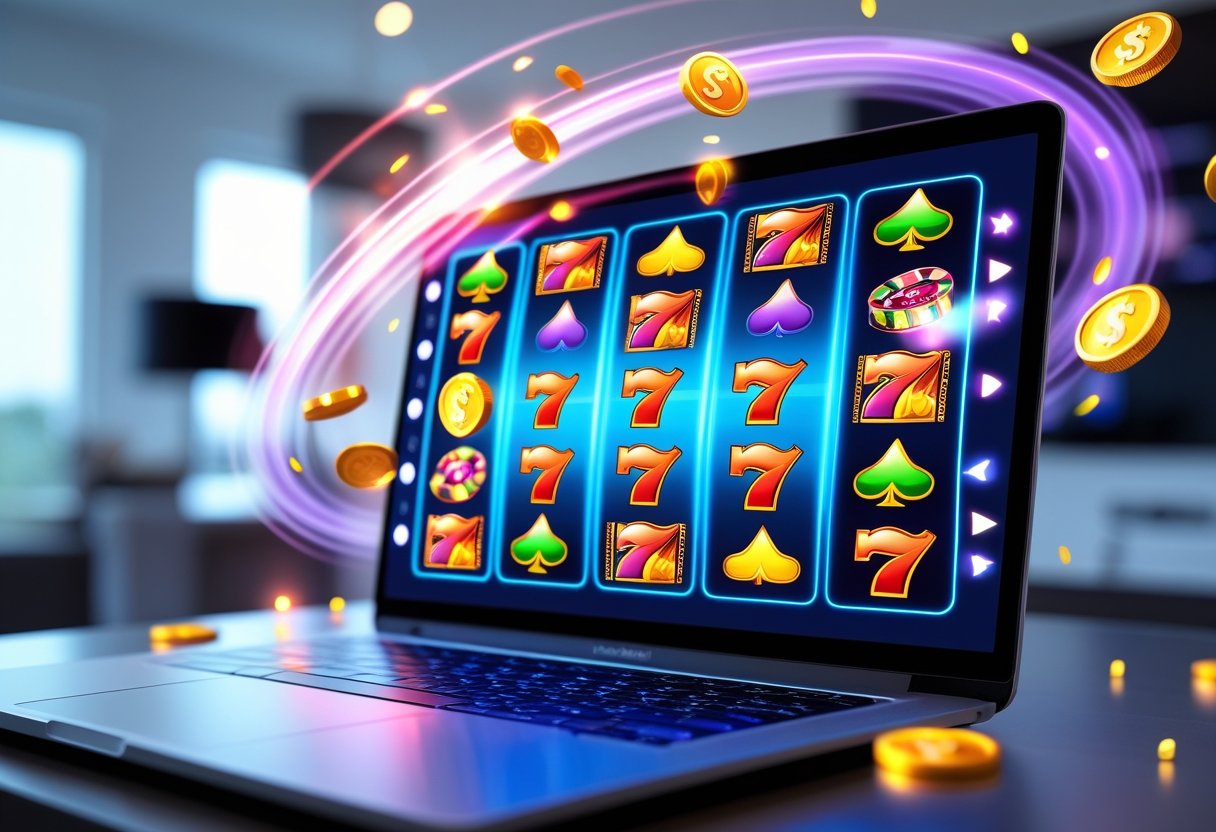
Animated graphics capture player attention more effectively than static images. Moving symbols and dynamic backgrounds create visual interest that keeps players focused on the screen longer.
Character animations in themed slot games tell stories through motion. Ancient Egyptian slots might show pharaohs walking across reels while adventure-themed games feature animated treasure chests opening.
Casino games use animation to create emotional peaks during gameplay:
- Spinning wheels build suspense before revealing results
- Expanding wilds create anticipation as they grow across reels
- Cascading symbols provide satisfaction as winning combinations disappear
Research shows that players spend more time on games with high-quality animations. The visual stimulation creates a more entertaining experience than basic number-based gambling.
Animation timing affects how exciting games feel. Quick animations keep gameplay fast-paced while slower reveals build tension before big wins.
Gamification Elements
Animation brings video game features into casino platforms through interactive bonus rounds and achievement systems. Many slot games now include mini-games with animated characters and storylines.
Players might enter animated worlds during bonus features where they:
- Pick treasure chests with animated opening sequences
- Watch characters battle with combat animations
- Navigate animated mazes or puzzles
- Complete animated challenges for extra rewards
Progress indicators use animation to show advancement through loyalty programs or tournament rankings. Animated progress bars and level-up effects make gambling feel more like gaming.
Casino platforms animate social features like leaderboards and chat functions. Moving avatars and animated reactions help create community feelings among online players.
Achievement animations celebrate milestones with visual rewards. Animated badges, trophies, and certificates provide recognition beyond monetary wins, encouraging continued play through psychological satisfaction.
Types of Animation Used in Online Casinos
Modern casino games use several animation types to create engaging player experiences. These range from basic 2D graphics to complex 3D environments with interactive elements that respond to player actions.
2D and 3D Animation Techniques
2D animations form the foundation of many casino games. They use flat graphics that move across the screen in simple patterns. Spinning reels, bouncing symbols, and flashing lights are common examples.
These animations require less processing power. They load faster on mobile devices and older computers.
3D animations create depth and realistic movement. Characters appear to jump off the screen. Slot symbols rotate in space rather than just spinning flat.
3D techniques include:
- Environment mapping for realistic lighting
- Particle effects for sparks and explosions
- Character rigging for smooth movement
- Texture mapping for detailed surfaces
Many games now combine both methods. They use 2D elements for basic interface parts and 3D for main game features.
Motion Graphics Integration
Motion graphics blend animation with graphic design elements. They create smooth transitions between game screens and highlight important information.
Transition effects move players between different game sections. Cards slide in smoothly. Dice tumble across the screen before showing results.
Visual feedback systems use motion to show game states. Progress bars fill up during loading. Buttons pulse when pressed. Win amounts count up with animated numbers.
Particle systems add visual excitement. Coins shower down after big wins. Confetti bursts appear during bonus rounds. Sparkles trail behind moving objects.
These elements work together to guide player attention. They make complex game mechanics easier to understand through visual cues.
Interactive Animations
Interactive animations respond directly to player input. They change based on what players do rather than playing the same sequence every time.
Touch-responsive elements react when players tap or swipe. Slot reels slow down gradually when players release them. Card games show smooth dealing animations that match player timing.
Hover effects activate when players move their mouse over buttons or symbols. Elements glow, grow larger, or change color to show they can be clicked.
Dynamic scaling adjusts animation complexity based on device performance. High-end devices show full particle effects and smooth movements. Older phones display simpler versions that still look good.
These interactive features make players feel more connected to the game. Each action produces immediate visual feedback that confirms player control.
Animation’s Impact on Game Design and Playability
Animation has changed how online casino games work. It makes game features clearer and lets developers create more personal experiences for each player.
Improving Game Mechanics
Animation makes complex game rules easier to understand. When a player hits a winning combination, moving graphics show exactly what happened.
Scatter symbols light up and pulse when they appear. This tells players they triggered a bonus round. Without animation, players might miss these important moments.
Progressive jackpots use animated counters that tick upward. The moving numbers create excitement as the prize grows. Static text cannot match this level of engagement.
Animation also guides players through multi-step bonus games. Arrows point to selections. Characters move to show the next action. These visual cues reduce confusion during complex features.
Reel mechanics benefit from smooth spinning animations. Players can follow symbol movement and anticipate results. Choppy or missing animations make games feel broken.
Loading screens use animated progress bars. Players see the game is working rather than wondering if it crashed. This small detail prevents frustration.
Personalization Through Animation
Modern casino games adapt their animations based on player behavior. Frequent players might see faster reel spins to match their preferred pace.
Animation systems track which visual effects players enjoy most. Games then show more of these preferred animations during gameplay.
Avatar customization lets players choose animated characters or themes. A player who picks a space theme sees rocket ships and stars in their bonus animations.
Celebration animations change based on win size. Small wins get simple effects. Big wins trigger elaborate light shows and character dances.
Some games remember animation preferences across sessions. Players who disable certain effects keep those settings automatically.
Seasonal updates add time-limited animated elements. Holiday themes or special events create fresh visual experiences for returning players.
Technologies Powering Animation in Casino Games
Modern casino games rely on advanced web technologies like HTML5 and WebGL to create smooth animations that work across all devices. Developers use specialized mobile optimization techniques to ensure these animated games perform well on smartphones and tablets. AI-powered systems now automatically generate and enhance visual effects to create more engaging player experiences.
HTML5 and WebGL Animation
HTML5 has become the standard technology for creating animated casino games that work on any device. This technology replaced older Flash systems and allows games to run directly in web browsers without downloading extra software.
WebGL enhances HTML5 by adding powerful 3D graphics capabilities. It lets developers create complex visual effects like realistic spinning reels and particle systems for winning celebrations. WebGL uses the computer’s graphics card to process animations smoothly.
Most online slots now use HTML5 Canvas elements to display animated symbols and backgrounds. The Canvas API allows programmers to draw and animate graphics in real-time. This creates fluid motion effects when symbols spin, bounce, or explode during bonus rounds.
Key HTML5 animation features include:
- CSS3 transitions for smooth symbol movements
- JavaScript animation loops for continuous effects
- SVG graphics that scale without losing quality
- Audio synchronization with visual animations
Mobile Optimization for Animated Games
Mobile devices have less processing power than desktop computers, so developers must optimize animations carefully. They use techniques like frame rate limiting to prevent games from draining phone batteries too quickly.
Sprite sheets combine multiple animation frames into single image files. This reduces the number of files that phones need to download and helps animations load faster. Developers also compress textures and reduce polygon counts in 3D models.
Touch-responsive animations respond immediately when players tap the screen. Games detect finger gestures and trigger appropriate visual feedback within milliseconds. This creates the feeling that animations react directly to player actions.
Mobile optimization strategies include:
- Adaptive quality settings based on device performance
- Preloading critical animation assets
- Using hardware acceleration when available
- Simplifying effects on older devices
AI-Driven Animation Enhancements
Artificial intelligence now helps create more realistic and varied casino game animations. AI systems can generate thousands of unique symbol combinations and movement patterns automatically.
Machine learning algorithms analyze player behavior to customize animation timing. Games can speed up or slow down certain effects based on what keeps individual players most engaged. This personalization happens in real-time without players noticing.
AI-powered physics engines make dice rolls and card shuffles look more natural. These systems calculate realistic movement patterns that would be too complex for programmers to code manually. The result is animations that feel authentic and unpredictable.
Procedural generation creates endless animation variations. Instead of repeating the same winning celebration every time, AI systems mix and match different visual elements. This keeps the gaming experience fresh even after many hours of play.
Emerging Trends in Casino Game Animation
Real-time ray tracing and WebGPU standards are creating photorealistic casino games with advanced lighting effects. Virtual and augmented reality technologies are transforming how players interact with casino environments.
Virtual Reality and Augmented Reality
VR casino games now offer hyper-realistic graphics that make players feel like they’re in actual casinos. These games use real-time ray tracing to create lifelike lighting and shadows.
Players can walk around virtual casino floors and interact with slot machines using hand gestures. The animations respond to player movements in real time.
AR technology adds digital elements to real-world spaces. Players can see animated slot reels floating in their living rooms through their phones or tablets.
Key VR/AR features include:
- Hand tracking for natural interactions
- 3D spatial audio that changes based on player position
- Realistic physics for cards and chips
- Social features where players see each other’s avatars
WebGL 2.0 makes these advanced animations run smoothly in web browsers. Players don’t need to download special software anymore.
Live Casino Animation Innovations
Live dealer games now blend real dealers with animated graphics. Digital cards and chips appear on screen while real dealers handle physical items.
3D overlays show game information without blocking the dealer’s view. Players see their betting options float above the real casino table.
Machine learning creates animations that adapt to each player’s style. The graphics change colors and effects based on what players like most.
Procedural animation generates new visual effects automatically. Each spin or card deal looks slightly different every time.
Live games use multiple camera angles with smooth transitions. The animations help guide players’ attention to important game moments.
Real-time rendering creates instant visual feedback when players place bets or make decisions.