Walking through a modern casino reveals far more than gaming floors and slot machines. Land-based casinos represent some of the world’s most ambitious architectural art projects, combining massive sculptures, intricate interior designs, and cutting-edge building techniques to create immersive environments that captivate millions of visitors. These structures blend psychology with aesthetics to craft spaces that function as both entertainment venues and artistic showcases.
The architectural art found in casinos spans centuries of design evolution, from the ornate European gambling houses of the past to today’s themed mega-resorts. Designers carefully select materials, lighting, and spatial layouts to influence visitor behavior while creating memorable experiences. Each casino develops its own artistic identity through signature themes, whether recreating ancient Rome or showcasing contemporary digital installations.
Modern casino architecture reflects local culture while incorporating sustainable practices and evolving artistic trends. The integration of functional art elements serves both practical and aesthetic purposes, transforming necessary infrastructure into visual masterpieces. Understanding how these architectural choices impact both communities and the environment reveals the complex relationship between commercial entertainment and artistic expression.
The Role of Architectural Art in Casino Identity
Architectural art serves as the visual foundation for a casino’s brand identity. Design elements create lasting impressions that distinguish each property from competitors and shape how guests perceive their gambling experience.
Defining Architectural Art in the Casino Context
Architectural art in casinos combines functional design with visual elements that tell a story. This includes decorative facades, themed interiors, sculptural installations, and custom lighting systems.
Modern casinos integrate art directly into their structural elements. Columns become works of sculpture. Ceilings transform into painted masterpieces.
Key architectural art elements include:
- Custom murals and frescoes
- Sculptural building facades
- Themed interior spaces
- Interactive digital installations
- Specialized lighting designs
These elements work together to create immersive environments. They transport visitors into carefully crafted worlds that support the casino’s overall theme and brand message.
Branding and Differentiation Through Design
Casino operators use architectural art to establish unique brand identities. Each property develops distinct visual languages that separate them from nearby competitors.
The Bellagio’s dancing fountains and floral displays create an upscale Italian resort atmosphere. The Luxor’s pyramid shape and Egyptian themes offer a completely different experience. These design choices attract specific customer segments.
Design differentiation strategies include:
- Cultural themes (Asian, European, American)
- Historical periods (Roman, Medieval, Art Deco)
- Natural environments (Tropical, Desert, Mountain)
- Fantasy concepts (Space, Underwater, Fairy Tale)
Successful casino brands maintain consistent architectural themes across all spaces. The lobby, gaming floors, restaurants, and hotel areas all reflect the same artistic vision.
First Impressions and Guest Experience
Architectural art creates powerful first impressions that influence guest behavior and spending patterns. Visitors form opinions about a casino within seconds of entering the space.
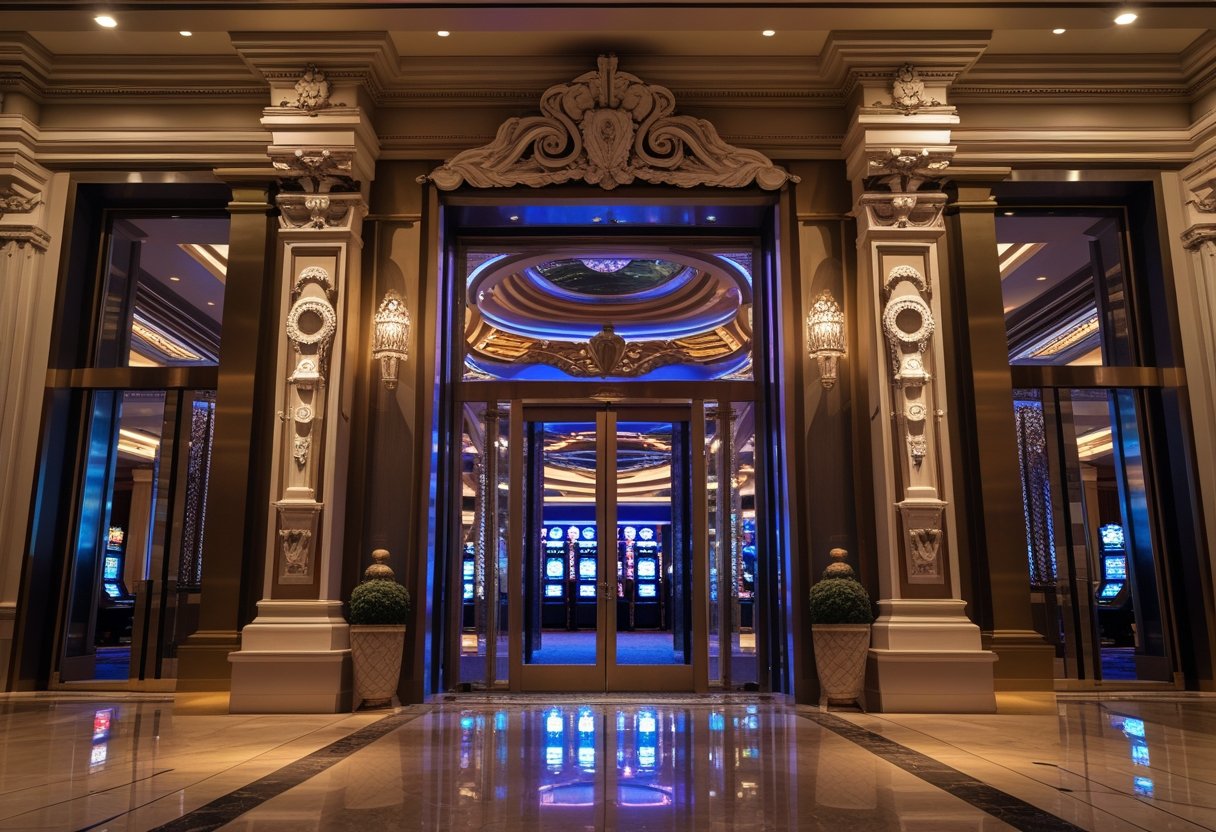
Grand entrances with soaring ceilings and dramatic lighting suggest luxury and excitement. Intimate spaces with warm colors and soft textures create comfort and relaxation.
First impression elements include:
- Entrance design and scale
- Color schemes and materials
- Lighting intensity and warmth
- Sound and music integration
- Wayfinding and flow patterns
These design choices affect how long guests stay and how much they spend. Properties with strong architectural identities often achieve higher customer loyalty and repeat visits than generic gaming facilities.
Historical Evolution of Casino Architecture
Casino architecture has transformed from simple gambling houses into grand entertainment palaces over centuries. Early designs borrowed from baroque and rococo styles, while later periods embraced modern technology and themed environments.
Origins of Casino Art and Architecture
The first casinos emerged in 17th century Europe as private gambling houses for wealthy patrons. These early venues featured simple layouts focused on gaming tables rather than elaborate decoration.
Venice’s Ridotto, established in 1638, marked the beginning of formal casino architecture. The space used existing palace rooms with minimal modifications for gambling activities.
European Influence on Early Design:
- Ornate baroque decorations
- Crystal chandeliers
- Marble columns and floors
- Rich tapestries and paintings
- Gold leaf accents
Monte Carlo Casino, built in 1863, established the standard for luxury casino design. The building featured elaborate baroque and rococo elements that created an atmosphere of wealth and exclusivity.
These design choices were intentional. Owners wanted to make gambling feel sophisticated and upper-class. The architecture helped separate casinos from common gambling dens.
Influence of Art Movements on Casino Design
The baroque period heavily influenced early casino interiors through ornate decorations and intricate details. Designers used curved lines, dramatic lighting, and rich materials to create impressive spaces.
Rococo elements appeared in many 18th and 19th century casinos:
- Pastel color schemes
- Delicate floral patterns
- Asymmetrical designs
- Shell and scroll motifs
Art Deco movement shaped casino design in the 1920s and 1930s. This style brought geometric patterns, bold colors, and streamlined forms to gambling venues.
Las Vegas casinos in the mid-20th century embraced modernist principles. Clean lines, large windows, and open floor plans replaced the heavy decorations of earlier periods.
The postmodern era introduced themed casino designs. Properties began incorporating specific architectural styles from different cultures and time periods into their buildings.
Iconic Architectural Milestones in the Industry
Several casinos changed how the industry approached building design and layout over time.
Casino de Monte-Carlo (1863) set the gold standard for European casino architecture. Its baroque facade and opulent interiors influenced casino design worldwide.
The Flamingo Las Vegas (1946) introduced the concept of the integrated resort. This property combined gaming, dining, entertainment, and lodging in one complex.
Caesar’s Palace (1966) pioneered themed casino architecture with its Roman-inspired design. The property featured statues, columns, and decorative elements that transported visitors to ancient Rome.
The Mirage (1989) revolutionized Las Vegas architecture by adding natural elements. The property included an artificial volcano, tropical gardens, and a large aquarium.
Bellagio (1998) elevated casino design through its focus on art and culture. The property featured an art gallery, botanical conservatory, and famous fountain show.
Modern casinos now integrate advanced technology into their architectural designs. Digital displays, interactive surfaces, and smart building systems have become standard features in new properties.
Signature Styles and Artistic Themes
Casino architects draw from distinct design movements to create memorable gaming environments. European elegance, modern innovation, and local cultural elements shape the visual identity of these entertainment destinations.
Classic European Influence in Casinos
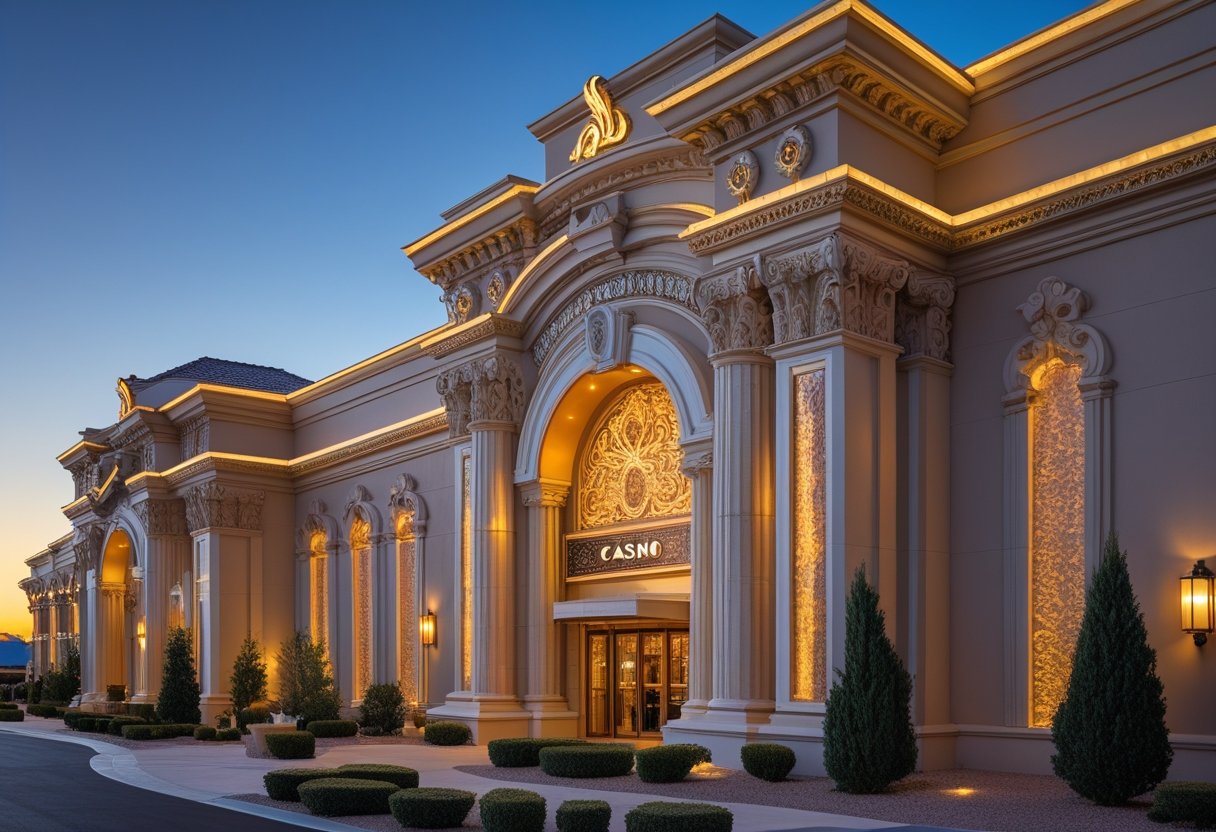
European architectural styles remain the foundation for luxury casino design worldwide. Baroque and Rococo elements create atmospheres of grandeur through ornate decorations and intricate details.
Monte Carlo’s famous casino exemplifies this approach. The building features elaborate moldings, crystal chandeliers, and marble columns that define classic elegance.
Las Vegas casinos frequently adopt European themes. The Venetian recreates Venice’s architectural charm with:
- Frescoed ceilings throughout gaming areas
- Marble facades on building exteriors
- Indoor gondola rides through replica canals
- Hand-painted murals in lobby spaces
Paris Las Vegas brings French architecture to the desert. The property includes a half-scale Eiffel Tower and detailed reproductions of Parisian streetscapes.
These European-inspired designs use rich materials like bronze, marble, and gold leaf. Architects focus on creating spaces that feel like palaces rather than simple gaming halls.
Modernist and Futuristic Casino Designs
Contemporary casinos embrace sleek lines and technological integration. Modern designs prioritize functionality while maintaining visual appeal through minimalist aesthetics.
Glass and steel construction dominates newer casino architecture. These materials create open, airy spaces that feel less confined than traditional designs.
Digital interfaces now blend with physical architecture. Many properties feature:
- LED lighting systems that change colors
- Interactive wall displays
- Touch-screen gaming surfaces
- Holographic entertainment elements
Futuristic casinos incorporate sustainable design elements. Solar panels, energy-efficient systems, and natural lighting reduce environmental impact while cutting costs.
Curved architectural forms replace the rigid geometry of older buildings. These flowing shapes create dynamic visual experiences that guide visitors through gaming areas naturally.
Cultural and Regional Inspirations
Casinos reflect their local environments through culturally specific design choices. These regional influences create authentic connections between properties and their communities.
Asian-themed casinos feature traditional elements like:
- Red and gold color schemes for good fortune
- Dragon sculptures and imagery
- Pagoda-style roofing structures
- Feng shui principles in room layouts
Native American casinos incorporate tribal artistic traditions. Many properties showcase handcrafted pottery, traditional textiles, and local stone materials in their construction.
Australian casinos often reference the continent’s natural landscapes. Designs include native wood species, earth-tone color palettes, and artwork depicting local wildlife.
Regional art collaborations strengthen cultural connections. Casino owners work with local artists to create custom pieces that celebrate area history and traditions. These partnerships produce unique murals, sculptures, and decorative elements that cannot be replicated elsewhere.
Integration of Art Installations and Sculptures
Land-based casinos showcase custom artworks by famous artists that create memorable experiences for visitors. These venues feature hands-on art pieces that guests can interact with while also displaying large outdoor sculptures in their landscaped areas.
Commissioned Works by Renowned Artists
Major casinos invest millions in custom artworks created specifically for their properties. These pieces often reflect local culture or the casino’s brand identity.
The Bellagio in Las Vegas features Dale Chihuly’s glass ceiling installation with over 2,000 hand-blown flowers. This $10 million piece spans the lobby and creates a stunning first impression.
Notable commissioned works include:
- Massive murals depicting regional history
- Custom bronze sculptures in gaming areas
- Hand-crafted tile mosaics on walls and floors
- Unique lighting installations above slot machine areas
Casinos often work with local artists to create pieces that connect with the community. These partnerships help establish the venue as a cultural destination beyond gaming.
The artists typically design works that complement the casino’s architecture. They consider foot traffic patterns and lighting conditions to ensure maximum visual impact.
Interactive and Immersive Installations
Modern casinos feature art that guests can touch, walk through, or experience in unique ways. These installations encourage social media sharing and create memorable moments.
Digital art walls respond to movement and touch. Guests can change colors or patterns by waving their hands. Some installations create personalized displays based on the viewer’s presence.
Popular interactive features:
- Water fountains that dance to music
- Light shows projected on ceilings
- Touch-sensitive floor displays
- Augmented reality art experiences
The Cosmopolitan in Las Vegas includes digital columns that display changing art throughout the day. Guests can interact with these displays using their smartphones.
These installations often serve dual purposes as wayfinding tools. They guide guests through the casino while providing entertainment value.
Interactive art helps casinos appeal to younger demographics who expect engaging experiences. The technology creates Instagram-worthy moments that promote the venue online.
Scenic Landscapes and Outdoor Art
Casino properties transform their outdoor spaces into art galleries with sculptures and landscaped installations. These areas provide peaceful retreats from the busy gaming floors.
Large bronze sculptures often mark entrances and parking areas. They serve as landmarks and photo opportunities for visitors.
Common outdoor art elements:
- Fountains with artistic water features
- Sculptured gardens with themed plantings
- Monument-style installations celebrating local heritage
- Art-integrated seating areas and walkways
The sculptures must withstand weather conditions while maintaining their visual appeal. Casinos choose materials like bronze, stainless steel, and treated stone for durability.
Landscape architects work with artists to blend sculptures naturally into planted areas. The art pieces complement seasonal plantings and provide year-round visual interest.
Some properties feature art trails that connect different outdoor spaces. Guests can follow marked paths to discover hidden sculptures and installations throughout the grounds.
Materials and Techniques in Architectural Art
Casino architects combine traditional materials with modern technology to create stunning visual experiences. Glass, metal, artistic murals, and strategic lighting work together to transform spaces into architectural masterpieces.
Innovative Use of Glass and Metal
Modern casinos showcase curved glass facades that create dramatic entrances and flood interiors with natural light. The Venetian in Las Vegas uses extensive glass work to mimic Italian architecture while maintaining contemporary appeal.
Steel and aluminum frameworks allow architects to build soaring ceilings and open spaces without structural columns. These metals provide strength while creating clean, uninterrupted sightlines across gaming floors.
Bronze and copper accents add warmth to otherwise cold modern materials. Many casinos incorporate these metals in decorative elements like handrails, door frames, and sculptural features.
Glass artistry extends beyond windows to include:
- Stained glass installations in ceilings and walls
- Etched glass panels with custom casino branding
- Glass sculptures as focal points in lobbies
Metal mesh screens create privacy while maintaining airflow. Perforated metal panels serve both functional and artistic purposes, often featuring laser-cut patterns that cast interesting shadows.
Murals, Frescoes, and Wall Art
Large-scale painted murals transform blank casino walls into storytelling canvases. Artists often depict themes related to the casino’s location or concept, such as Western scenes in Nevada casinos or nautical themes in coastal venues.
Digital murals using LED technology replace traditional paint in many modern casinos. These displays can change themes, colors, and animations throughout the day to match different moods and events.
Traditional fresco techniques appear in upscale casinos seeking classical elegance. Skilled artists apply pigments to wet plaster, creating permanent artwork that ages beautifully over decades.
Mosaic installations using ceramic tiles, glass, and stone create durable art pieces. These works often cover large wall areas and can incorporate casino logos or regional symbols into their designs.
Relief sculptures carved directly into walls add three-dimensional interest. Materials include plaster, carved stone, and molded concrete that create shadows and texture.
Lighting as an Artistic Element
LED strip lighting hidden behind architectural features creates dramatic color washes on walls and ceilings. These systems can shift colors to match different times of day or special events.
Chandelier installations serve as both light sources and sculptural focal points. Modern casinos often commission custom pieces that incorporate thousands of crystals, metals, or glass elements.
Fiber optic lighting creates starfield effects in ceilings and walls. This technique allows architects to simulate night skies or create twinkling patterns that change gradually over time.
Neon signage remains important in casino design despite LED alternatives. Traditional neon tubes create warm, continuous light that many designers prefer for vintage or retro-themed areas.
Programmable lighting systems coordinate with architectural features to create dynamic light shows. These displays can highlight specific architectural elements during different periods, directing attention and creating atmosphere.
Functional Art: Blending Aesthetics With Utility
Casino designers create art pieces that serve both visual and practical purposes throughout gaming floors. These elements guide guests through spaces while maintaining the venue’s aesthetic appeal and operational efficiency.
Wayfinding and Navigation Art
Casinos use decorative floor medallions and artistic pathway markers to direct guest flow without obvious signage. These design elements feature intricate patterns, logos, or cultural motifs embedded directly into marble or carpet surfaces.
Artistic directional systems include sculptural pillars with subtle arrows, decorative ceiling installations that point toward different gaming areas, and themed murals that naturally draw attention to specific destinations. The Venetian Las Vegas uses painted ceiling frescoes to guide guests along predetermined routes.
Wall-mounted art installations often incorporate hidden wayfinding elements:
- Lighting that subtly brightens toward target destinations
- Color gradients that lead to restaurants or exits
- Sculptural elements positioned at decision points
These systems work subconsciously. Guests follow the visual cues without realizing they’re being directed through carefully planned pathways that maximize gaming exposure and prevent crowding in narrow areas.
Ceiling and Floor Patterns
Casino ceiling designs serve multiple functional purposes beyond visual appeal. Coffered ceilings with geometric patterns help absorb sound from gaming machines and conversations while creating visual interest overhead.
Acoustic ceiling art includes fabric-wrapped panels arranged in decorative configurations, perforated metal designs that allow sound absorption, and suspended sculptural elements that break up noise reflection. These features reduce the overwhelming din typical of gaming floors.
Floor patterns serve practical navigation functions through strategic design choices:
- Carpet patterns that mask wear and stains in high-traffic areas
- Contrasting materials that define gaming zones versus walkways
- Directional patterns that encourage movement toward profitable areas
The flooring transitions between different textures and patterns signal spatial changes to guests. Soft carpeting in gaming areas transitions to harder surfaces near restaurants, creating subtle psychological boundaries between different casino experiences.
Furniture and Fixtures as Art
Gaming chairs and tables function as both furniture and decorative elements through custom upholstery, carved details, and integrated lighting systems. High-end casinos commission furniture pieces that match their overall design themes while meeting ergonomic requirements for extended play.
Artistic lighting fixtures provide necessary illumination while serving as focal points. Chandeliers, pendant lights, and sconces feature custom metalwork, crystal arrangements, or cultural design elements that reinforce the casino’s brand identity.
Functional art pieces include decorative room dividers that separate gaming areas, sculptural bar tops that encourage social interaction, and artistic planters that improve air quality while adding natural elements to indoor spaces.
These furniture elements must withstand heavy use while maintaining their visual appeal. Designers select materials and finishes that resist wear, staining, and damage from constant handling while preserving their artistic qualities throughout years of operation.
Famous Examples of Architectural Art in Land-based Casinos
Several casinos have become famous for their stunning architectural art. These buildings showcase dancing fountains, infinity pools on rooftops, and carefully placed artwork throughout their spaces.
The Bellagio’s Fountains and Glass Flowers
The Bellagio Las Vegas features two major architectural art pieces. The dancing fountains in front of the building perform water shows set to music every 15 to 30 minutes.
Inside the lobby, visitors see Fiori di Como. This glass flower ceiling was created by artist Dale Chihuly. The piece contains over 2,000 hand-blown glass flowers.
The flowers cover 2,100 square feet of ceiling space. They create a colorful canopy above guests as they enter the casino. The glass pieces use bright colors like red, yellow, blue, and green.
The fountains outside use 1,200 water nozzles and can shoot water up to 460 feet high. The show combines water, music, and lights to create moving art displays.
Marina Bay Sands’ Architectural Marvels
Marina Bay Sands in Singapore sits on three curved towers. The SkyPark connects all three towers at the top. This design creates a boat-like structure 57 floors above ground.
The infinity pool on the rooftop stretches 150 meters long. It gives swimmers the feeling of swimming at the edge of the building. The pool offers views of Singapore’s skyline.
The building’s base contains the ArtScience Museum. This museum has a lotus flower shape with 10 curved petals. Each petal serves as a gallery space.
The casino floor features curved walls and flowing lines. Large windows let in natural light during the day. At night, the building’s LED lights change colors across the exterior.
Wynn Las Vegas and Artistic Integration
Wynn Las Vegas places art throughout the entire building. The casino displays paintings, sculptures, and installations in public spaces. Guests can see famous artworks while walking to gaming areas.
The Lake of Dreams sits behind the hotel. This artificial lake features a 40-foot waterfall and light shows. Images project onto a water screen during evening performances.
Inside, the casino uses fresh flower displays that change weekly. Professional florists create large arrangements using thousands of fresh flowers. The flowers add natural beauty to the gaming floors.
The building also contains a golf course on the property. This 18-hole course was designed by Tom Fazio and Steve Wynn. Players can see the course from certain hotel rooms and restaurants.
The Role of Local Culture and Community in Design
Land-based casinos increasingly integrate local cultural elements and community partnerships into their architectural designs. This approach creates authentic spaces that honor regional identity while building stronger connections with local communities.
Reflecting Local Heritage
Casino architects draw inspiration from local history, traditional building methods, and regional materials to create culturally meaningful spaces. This design philosophy connects the casino to its surrounding environment rather than creating an isolated entertainment complex.
Many casinos incorporate traditional architectural elements from their region. Desert casinos might feature adobe-inspired walls and southwestern motifs. Mountain casinos often use local stone and timber construction methods.
Local materials play a crucial role in this approach:
- Stone quarried from nearby regions
- Timber harvested from local forests
- Traditional clay and earth-based materials
- Regional metalwork and craftsmanship techniques
Indigenous design principles influence many casino projects. These approaches emphasize harmony with the natural landscape and respect for cultural traditions. Some casinos feature traditional building orientations that align with cultural beliefs about sacred directions.
Climate considerations also reflect local heritage. Casinos in hot climates incorporate traditional cooling methods like courtyards and covered walkways. Cold-weather regions feature designs that maximize natural light during winter months.
Collaborating With Regional Artists
Casino developers partner with local artists and craftspeople to create authentic cultural expressions within their spaces. These collaborations produce unique artistic installations that cannot be replicated elsewhere.
Regional artists contribute various elements to casino design. Muralists create large-scale works that tell local stories. Sculptors produce pieces using traditional techniques and local materials.
Common collaboration types include:
- Custom tile work and mosaics
- Hand-forged metalwork for railings and fixtures
- Traditional textile patterns for carpets and upholstery
- Cultural storytelling through visual art displays
These partnerships benefit both the casino and the local art community. Artists gain exposure and steady income from major projects. Casinos receive authentic cultural elements that enhance their connection to the community.
Some casinos establish ongoing relationships with regional art schools and cultural centers. These partnerships create rotating exhibitions and artist residency programs that keep the casino’s cultural offerings fresh and relevant.
Sustainability and Environmental Impact in Casino Art
Casino architects now integrate sustainable materials and living elements into their artistic designs. These approaches reduce environmental harm while creating stunning visual experiences for guests.
Eco-friendly Building Materials
Modern casinos incorporate recycled and sustainable materials into their artistic elements. Designers use reclaimed wood for decorative wall panels and sculpture installations.
Recycled glass transforms into colorful mosaic art pieces and light fixtures. Some casinos feature carpets made from recycled plastic bottles that create intricate patterns across gaming floors.
Low-impact materials include:
- Bamboo flooring for art gallery spaces
- Cork wall coverings with artistic textures
- Recycled metal sculptures and installations
- Stone sourced from local quarries
These materials reduce transportation costs and carbon emissions. They also support local economies while maintaining the luxury aesthetic casinos require.
Some properties use bio-based paints and finishes for murals and decorative surfaces. These products contain fewer harmful chemicals than traditional options.
Green Spaces and Living Art Walls
Living walls serve as both air purifiers and striking visual features. These vertical gardens filter indoor air while creating natural artwork that changes with plant growth.
Casino designers install hydroponic systems behind decorative plant walls. These systems use less water than traditional soil-based gardens.
Indoor gardens often feature:
- Native plant species that require less water
- Automated irrigation systems
- LED grow lights that consume minimal energy
- Seasonal plant rotations for year-round color
Green atriums combine natural light with planted areas. They reduce the need for artificial lighting during daytime hours.
Some casinos create rooftop gardens visible from interior spaces. These areas provide insulation and reduce heating and cooling costs.
Moss walls require no watering or maintenance while absorbing sound and improving air quality. They work well in high-traffic gaming areas where traditional plants might suffer.
Art Curation and Changing Trends in Casino Architecture
Modern casinos now feature rotating art exhibitions and temporary installations to keep their spaces fresh and engaging. Digital art and advanced technology are reshaping how casinos display artwork and create interactive experiences for visitors.
Rotating Exhibitions and Temporary Installations
Casino art curators now change displays every few months to maintain visitor interest. This approach keeps the environment dynamic and gives guests new experiences during repeat visits.
Major casinos partner with local art museums and galleries to showcase temporary exhibitions. These collaborations bring established artists into gaming spaces and attract art enthusiasts who might not otherwise visit casinos.
Popular rotating exhibition types include:
- Photography collections
- Contemporary sculpture displays
- Regional artist showcases
- Historical artifact presentations
Temporary installations often focus on interactive elements that guests can experience while moving through casino spaces. These pieces typically last 3-6 months before being replaced with new works.
Some casinos dedicate specific gallery areas for changing exhibitions. These spaces function as mini-museums within the gaming environment and host opening events that draw community members.
Digital Art and Technology Influences
Digital displays and LED installations have become standard features in modern casino design. These technologies allow for programmable art that changes throughout the day or responds to different events.
Common digital art applications include:
- Interactive floor projections
- Ceiling-mounted LED canopies
- Touch-responsive wall displays
- Augmented reality experiences
Many casinos use digital art to create themed environments that transport visitors to different worlds. Technology allows spaces to transform from tropical settings during the day to cosmic themes at night.
Online casino design elements now influence physical spaces as digital interfaces become more common. Land-based venues integrate hybrid experiences that blend traditional architecture with digital gaming aesthetics.
Motion sensors trigger artistic displays when guests walk through certain areas. These responsive installations create personalized experiences and encourage exploration of different casino zones.